
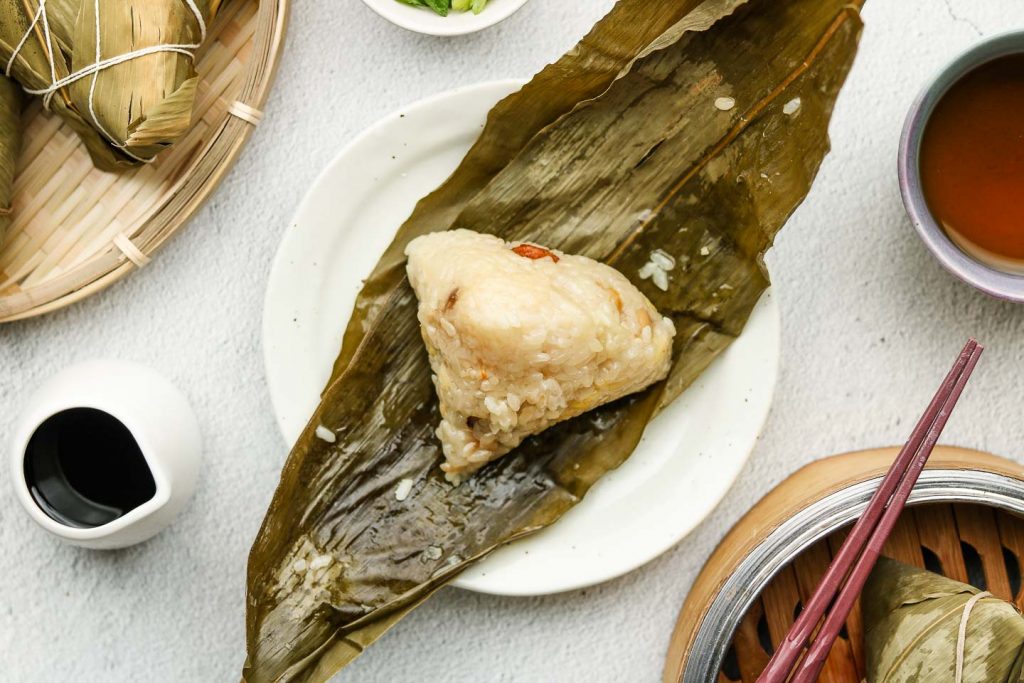
Dumplings in bamboo leaves are a traditional Chinese dish that is loved by people all around the world. These delicious treats are made of glutinous rice, filled with a variety of ingredients such as meat, beans, and nuts, and then wrapped in bamboo leaves before being steamed or boiled.
The process of making dumplings in bamboo leaves is not an easy one, but the end result is definitely worth the effort. First, the glutinous rice needs to be soaked overnight to make it soft and sticky. Then, the bamboo leaves need to be softened by boiling them in water. Once they are soft, they are carefully wrapped around a spoonful of filling and tied with a string to make a pouch. The dumplings are then cooked for several hours until the rice is fully cooked and the flavors of the filling have melded together.
Dumplings in bamboo leaves are not only delicious, they are also rich in cultural significance. They are often made and eaten during the Dragon Boat Festival, a traditional Chinese holiday. The festival, which takes place in the fifth month of the lunar calendar, commemorates the life of the poet Qu Yuan, who drowned himself in a river as a form of protest against a corrupt government. People make and eat dumplings in bamboo leaves during this festival to ward off evil spirits and to remember and honor Qu Yuan’s sacrifice.
Traditional Chinese Delicacy
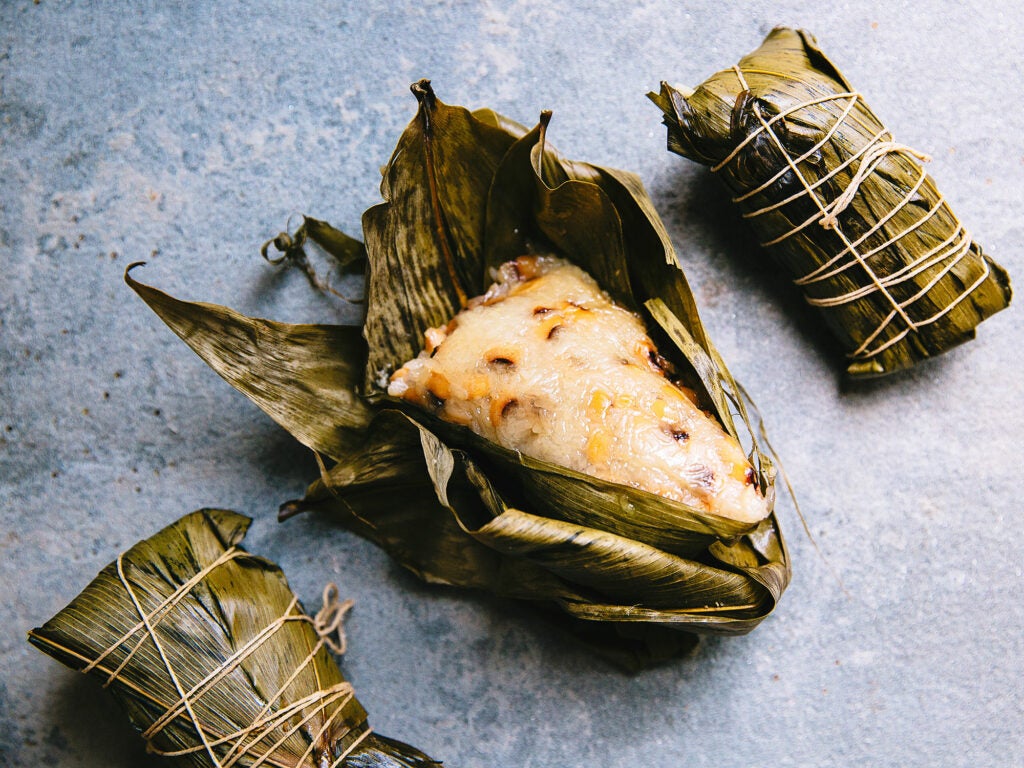
What makes dumplings in bamboo leaves unique is the way they are prepared and cooked. The filling is typically made from glutinous rice, along with various ingredients such as pork, mushrooms, beans, and salted egg yolks. The filling is then wrapped in bamboo leaves, which not only give the dumplings a distinct aroma but also help to keep them moist and flavorful during the cooking process.
“Dumplings in bamboo leaves are a traditional Chinese delicacy that are enjoyed during the Dragon Boat Festival.”
To cook these dumplings, they are typically boiled or steamed for several hours, which allows the flavors to meld together and the rice to become tender. The result is a delicious and fragrant dumpling with a sticky, slightly chewy texture. The combination of the savory filling and the earthy taste of the bamboo leaves creates a unique and satisfying flavor profile.
Here is a list of key characteristics of dumplings in bamboo leaves:
- Traditional Chinese delicacy
- Popular during the Dragon Boat Festival
- Filling made from glutinous rice and various ingredients
- Wrapped in bamboo leaves
- Boiled or steamed for several hours
- Savory and fragrant flavor
- Sticky and slightly chewy texture
Overall, dumplings in bamboo leaves are not only a delicious food but also an important part of Chinese culinary tradition. They represent the rich flavors and cultural heritage of China and continue to be enjoyed by people around the world.
Preparation and Ingredients
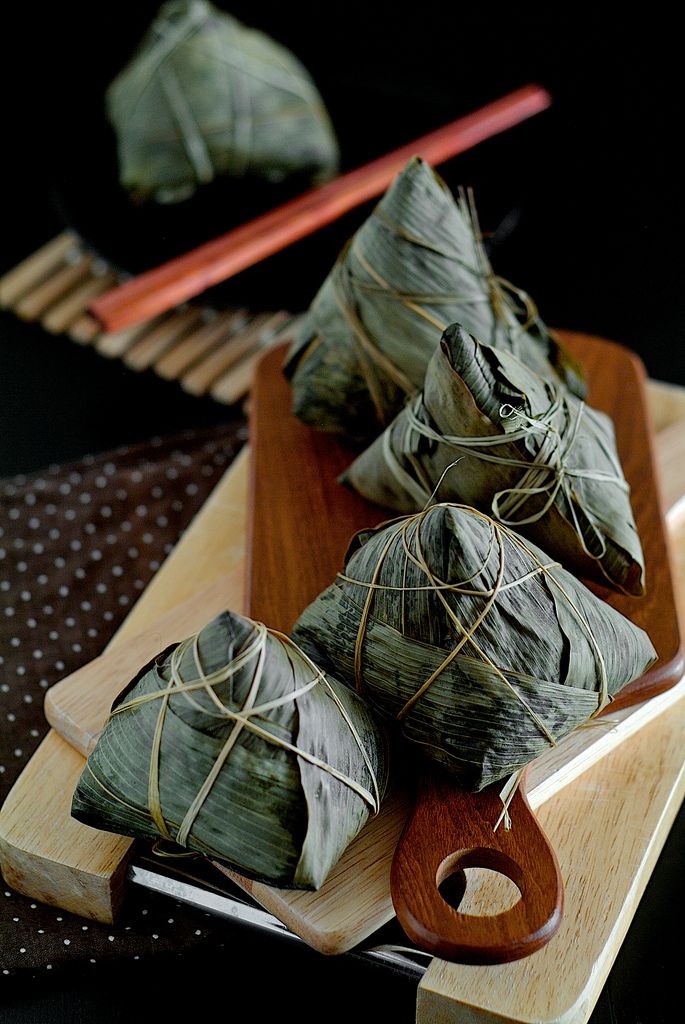
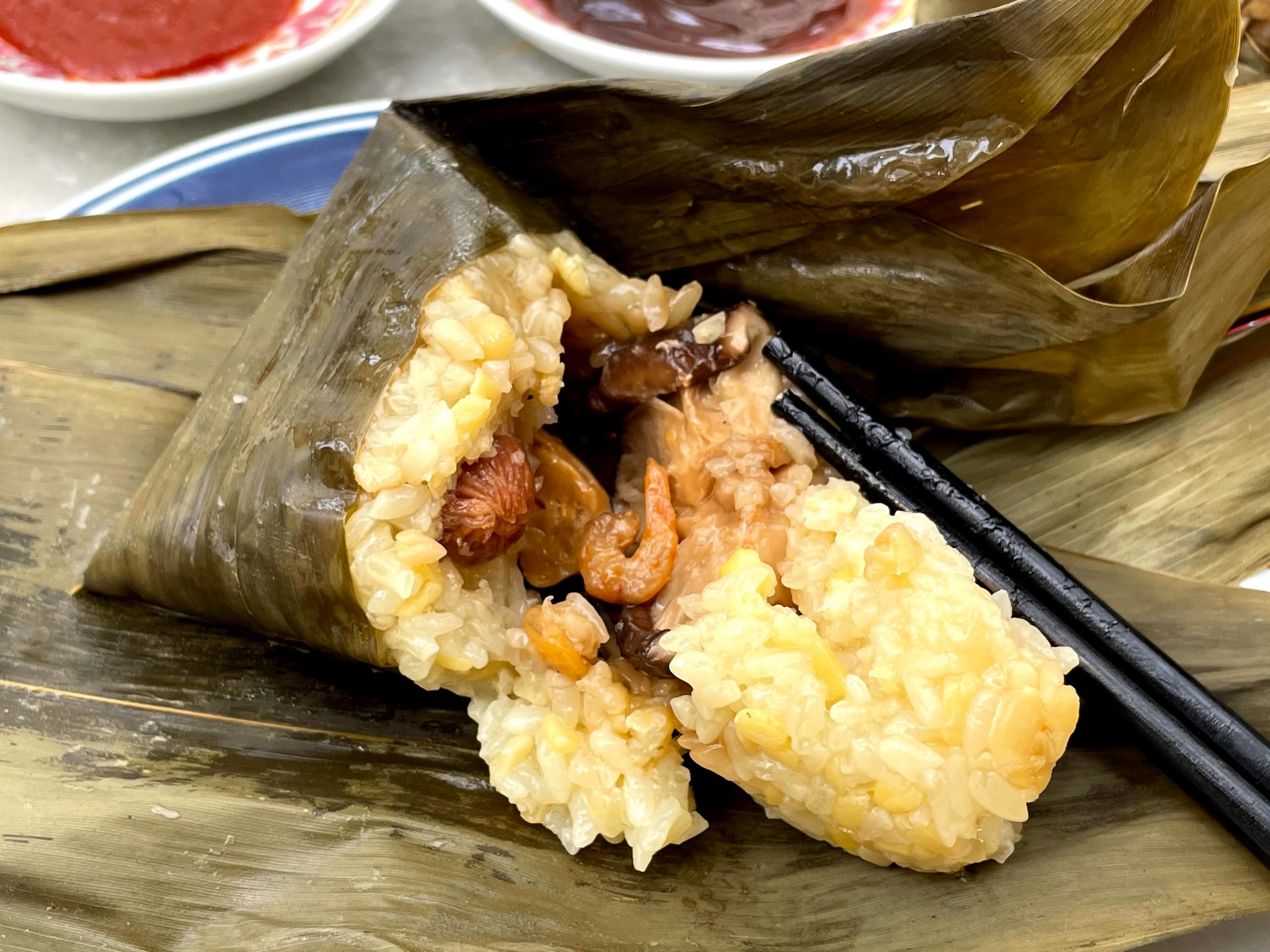
The main ingredient used in dumplings in bamboo leaves is glutinous rice. This type of rice is stickier and chewier compared to regular rice, giving the dumplings a unique texture. Other ingredients commonly used in the filling include fatty pork, Chinese sausage, dried shrimp, shiitake mushrooms, and chestnuts. These ingredients are often marinated in a mixture of soy sauce, oyster sauce, and other seasonings to enhance their flavor.
- Glutinous rice: Provides the base for the dumplings and gives them a sticky texture.
- Fatty pork: Adds richness and flavor to the filling.
- Chinese sausage: Imparts a smoky and savory taste.
- Dried shrimp: Adds a hint of umami and enhances the overall flavor.
- Shiitake mushrooms: Provides a meaty and earthy taste.
- Chestnuts: Adds a nutty flavor and a slight crunch.
The preparation starts by soaking the bamboo leaves in water to make them more pliable. Then, the glutinous rice is soaked separately to soften it and make it easier to cook. While the rice is soaking, the pork, sausage, shrimp, mushrooms, and chestnuts are stir-fried together to release their flavors. Once all the ingredients are ready, the rice and the filling are layered inside the bamboo leaves and then folded into a pyramid shape. The dumplings are then boiled or steamed for a few hours until the rice is fully cooked and has absorbed all the flavors of the filling.
Overall, the preparation of dumplings in bamboo leaves requires patience and attention to detail. From selecting the right ingredients to properly wrapping and cooking the dumplings, every step contributes to the final taste and texture. These dumplings are not only a delicious dish but also a cultural tradition that has been passed down through generations.
Cooking Methods
- Boiling: Boiling the dumplings is a straightforward and popular method. To do this, bring a large pot of water to a boil. Carefully add the dumplings, making sure they are fully submerged. Cook for around 10-15 minutes or until the dumplings float to the top and the filling is cooked through. This method is simple and ensures a moist and tender texture.
- Steaming: Steaming is another popular cooking method for dumplings. To steam the dumplings, place them on a heatproof plate or in a steamer basket lined with bamboo leaves. Set up a steamer over a pot of boiling water and steam the dumplings for approximately 15-20 minutes. Steaming helps retain the natural flavors of the ingredients while keeping the dumplings moist and tender.
- Roasting: Roasting dumplings in bamboo leaves is a unique cooking method that can impart a smoky flavor to the dish. After wrapping the dumplings in the bamboo leaves, place them on a baking sheet and roast in a preheated oven at 400°F (200°C) for about 25-30 minutes or until the dumplings are golden brown and crispy. This method adds an interesting twist to the traditional dumplings and creates a delightful combination of textures.
Regardless of the cooking method chosen, be sure to let the dumplings cool for a few minutes before unwrapping and serving. This allows the flavors to meld together and ensures a more enjoyable eating experience. Whether boiled, steamed, or roasted, these Dumplings in Bamboo Leaves are a delightful treat that can be enjoyed as a snack or as part of a larger meal.


