
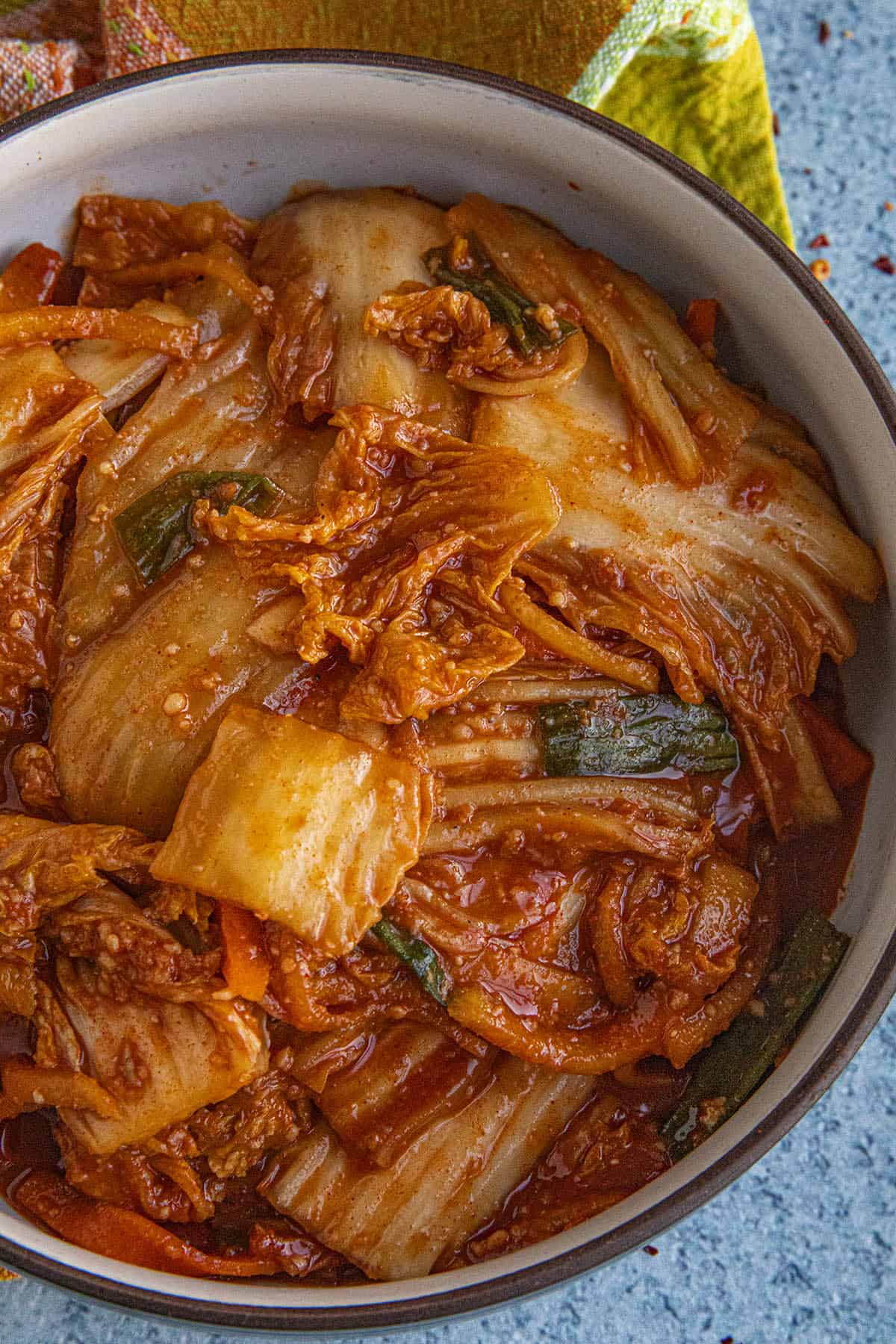
Korean kimchi is a traditional fermented vegetable dish that is packed with flavor and is a staple in Korean cuisine. It is typically made with cabbage and a variety of other vegetables and spices. Making kimchi at home allows you to customize the flavors to your liking and ensures that you have a fresh batch whenever you crave it.
Ingredients:
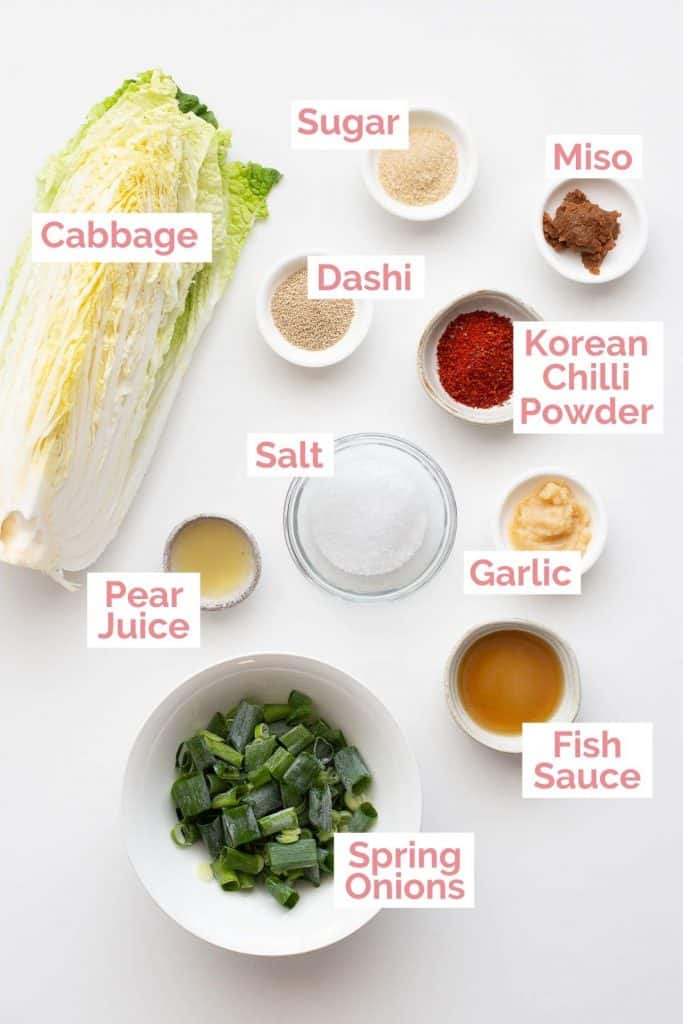
- 1 large head of Napa cabbage
- 1/4 cup salt
- 2 cups water
- 1 tablespoon grated ginger
- 3 cloves garlic, minced
- 2 tablespoons fish sauce
- 1 tablespoon soy sauce
- 1 tablespoon Korean chili flakes (gochugaru)
- 1 tablespoon sugar
- 3 green onions, chopped
Instructions:
- Start by cutting the Napa cabbage into quarters and removing the core. Then, slice the cabbage into bite-sized pieces and place them in a large bowl.
- In a separate bowl, dissolve the salt in water to create a brine. Pour the brine over the cabbage and mix well, ensuring that all the cabbage is submerged in the brine. Let it sit for about 2 hours.
- After 2 hours, drain the cabbage and rinse it thoroughly under cold water. Squeeze out any excess liquid and set aside.
- In a small bowl, mix together the grated ginger, minced garlic, fish sauce, soy sauce, Korean chili flakes, and sugar to create a paste. Adjust the seasoning according to your preference.
- Add the paste to the cabbage and mix well, making sure that each piece of cabbage is coated with the paste. Then, add the chopped green onions and mix again.
- Transferring the kimchi into a clean glass jar and press it down firmly to remove any air bubbles. Leave about an inch of space at the top of the jar to allow for fermentation.
- Cover the jar with a lid and let it ferment at room temperature for 1 to 2 days. During this time, the kimchi will develop its signature tang and flavors.
- Once the kimchi is fermented to your liking, store it in the refrigerator to slow down the fermentation process. It can be consumed right away, but the flavors will continue to develop over time.
Kimchi is not only a delicious side dish, but it also offers numerous health benefits. It is rich in vitamins A, B, and C, as well as beneficial bacteria that promote gut health. Enjoy it as a condiment, in stir-fries, or even in kimchi pancakes!
What is Kimchi and why it is popular
Kimchi is a staple in Korean cuisine and is enjoyed as a side dish with almost every meal. It adds a burst of flavor and a unique texture to any dish. Kimchi is not only delicious, but it is also highly nutritious. It is rich in vitamins A and C, as well as fiber and probiotics, which are beneficial for gut health.
- Popular: Kimchi has gained popularity worldwide due to its unique taste and health benefits. People are becoming more aware of the importance of incorporating fermented foods into their diet, and kimchi is a great option.
- Versatile: Kimchi can be enjoyed on its own as a side dish, or used as an ingredient in a variety of other dishes. It can be added to soups, stews, stir-fries, rice bowls, and even sandwiches. The possibilities are endless!
- Cultural significance: Kimchi is not just a food in Korea, it is a part of their cultural identity. It is often made and shared within communities and families, and there are even kimchi-making festivals held in Korea.
“Kimchi is a delicious and versatile dish that has gained popularity worldwide. It is not only tasty but also packed with nutrients. With its unique flavor and cultural significance, kimchi is here to stay.”
Benefits of Eating Kimchi
One of the main benefits of eating kimchi is its rich probiotic content. Probiotics are live bacteria and yeasts that are beneficial for the digestive system. They help balance the natural gut flora, improve digestion, and enhance the absorption of nutrients. Kimchi contains Lactobacillus bacteria, which can aid in preventing and treating various gastrointestinal disorders, including constipation and diarrhea.
- High in Vitamins and Minerals: Kimchi is packed with essential vitamins and minerals, including vitamin C, vitamin K, vitamin A, and potassium. These nutrients support overall health and help boost the immune system.
- Antioxidant Properties: Kimchi is also known for its antioxidant properties, thanks to the presence of garlic, ginger, and chili peppers. Antioxidants help protect the body against free radicals, which can cause cellular damage and contribute to chronic diseases.
- Weight Management: Kimchi is a low-calorie food that is high in fiber. It can promote feelings of fullness, reduce cravings, and help with weight management. Additionally, kimchi contains capsaicin, a compound found in chili peppers that has been shown to increase metabolism and aid in fat burning.
| Benefits of Eating Kimchi |
|---|
| Probiotic-rich |
| High in vitamins and minerals |
| Antioxidant properties |
| Weight management |
“Kimchi is not just a delicious side dish, but also a powerhouse of nutrients that offer various health benefits.”
Ingredients and preparation
Ingredients:
- Cabbage
- Radishes
- Cucumbers
- Carrots
- Garlic
- Ginger
- Red chili flakes
- Fish sauce
- Salt
- Sugar
To make kimchi, start by salting the vegetables to draw out the moisture. Cut the cabbage into small pieces and sprinkle salt over them. Let the cabbage sit for a few hours to wilt. Meanwhile, prepare the spicy paste by blending garlic, ginger, red chili flakes, fish sauce, salt, and sugar in a food processor. Once the cabbage is wilted, rinse it under cold water and squeeze out any excess moisture.
Tip: The salting process helps to remove any bitterness from the cabbage and gives the kimchi its characteristic crunch.
Next, mix the cabbage with the spicy paste and add in the sliced radishes, cucumbers, and carrots. Massage the mixture with your hands to evenly distribute the paste. Transfer the kimchi into a clean jar or container, leaving some headspace for fermentation. Seal the jar and let it sit at room temperature for a few days to ferment.
Important: Make sure to open the jar every day to release any built-up gases and prevent the jar from exploding.
After the fermentation process, you can refrigerate the kimchi to slow down the fermentation and enhance the flavors. Kimchi can be enjoyed as a side dish, added to stir-fries, or used as a topping for various dishes. It is a versatile and flavorful condiment that adds a unique taste to any meal.
Essential Ingredients for Making Kimchi
- Cabbage: Napa cabbage, also known as Chinese cabbage, is the main ingredient in kimchi. It has a mild flavor and a crunchy texture, making it perfect for fermentation.
- Radish: Korean radish, also known as mu, adds a crunchy and refreshing element to kimchi. It is usually sliced into thin strips or grated before being mixed with the cabbage.
- Scallions: Scallions, or green onions, provide a savory and onion-like flavor to kimchi. They are usually chopped and added to the mixture.
- Garlic: Garlic is an essential ingredient in Korean cuisine, and kimchi is no exception. It adds a pungent and aromatic flavor to the dish.
- Ginger: Ginger adds a subtle spiciness and a warm flavor to kimchi. It is usually grated or minced before being added to the mixture.
- Red Pepper Powder: Red pepper powder, or gochugaru, is what gives kimchi its signature spiciness. It is made from dried red peppers and adds a vibrant red color to the dish.
- Fish Sauce: Fish sauce is a common ingredient in Korean cuisine and adds a rich umami flavor to kimchi. It is made from fermented fish and is used as a seasoning.
- Salt: Salt is used to draw out the moisture from the cabbage and radish, helping in the fermentation process.
By using these essential ingredients, you can create a delicious and authentic kimchi that is packed with flavor. Whether you prefer it spicy or mild, kimchi is a versatile dish that can be enjoyed on its own or used as a condiment in various Korean dishes.
Step-by-step guide to making Kimchi
- Gather the ingredients: To make kimchi, you will need Napa cabbage, Korean radish, garlic, ginger, green onions, red pepper flakes, fish sauce, and salt. Make sure to have all the ingredients prepared before starting the kimchi-making process.
- Prepare the cabbage: Cut the Napa cabbage into quarters and remove the core. Sprinkle salt on each cabbage leaf and let it sit for a couple of hours to draw out the excess moisture. Rinse the cabbage thoroughly and let it drain.
- Create the kimchi paste: In a blender, combine garlic, ginger, green onions, red pepper flakes, and fish sauce. Blend until everything is well mixed and forms a paste-like consistency.
- Combine the ingredients: In a large bowl, mix the kimchi paste with the cabbage and the Korean radish. Make sure all the vegetables are well coated with the paste.
- Fermentation: Transfer the kimchi mixture into a jar or fermentation container. Press the kimchi down firmly to remove any air pockets and ensure the vegetables are fully submerged in the liquid. Close the container and let it ferment at room temperature for 1-2 days.
- Refrigerate: Once the kimchi has reached your desired level of fermentation, transfer it to the refrigerator. The flavors will continue to develop as it ages, so feel free to taste and adjust the seasoning as needed.
Now that you have a step-by-step guide to making kimchi, you can easily prepare this traditional Korean dish at home. Remember, kimchi is a versatile condiment that can be enjoyed on its own, as a side dish, or as an ingredient in various recipes. Enjoy the process of making kimchi and experimenting with different flavors!
Variations and Serving Suggestions
- Radish Kimchi: Instead of using cabbage, this variation is made with radishes. The radishes are sliced and fermented in the same spicy sauce, resulting in a crunchy and tangy Kimchi.
- Cucumber Kimchi: This variation features cucumbers that are sliced and fermented in a similar sauce to the traditional Kimchi. It is a refreshing and slightly spicy version of the dish.
- White Kimchi: Unlike the traditional Kimchi, this variation does not include chili pepper flakes. Instead, it is made with a mild and refreshing sauce and can include ingredients such as cabbage, radishes, and pear.
Serving suggestions for Kimchi can vary depending on personal preference and the dish it is being paired with. Here are a few ideas:
- Kimchi Fried Rice: Add Kimchi to your favorite fried rice recipe for an extra burst of flavor and a hint of spice.
- Kimchi Pancakes: Make savory Korean pancakes by adding Kimchi to the batter. Serve them as an appetizer or as a side dish.
- Kimchi Tacos: Fill tortillas with cooked meat or tofu, and top it off with some Kimchi for a fusion twist on tacos.
Remember, Kimchi is a versatile ingredient that can be added to various dishes to enhance their flavor and add a spicy kick. Feel free to get creative and explore different ways to enjoy this traditional Korean delight!


