
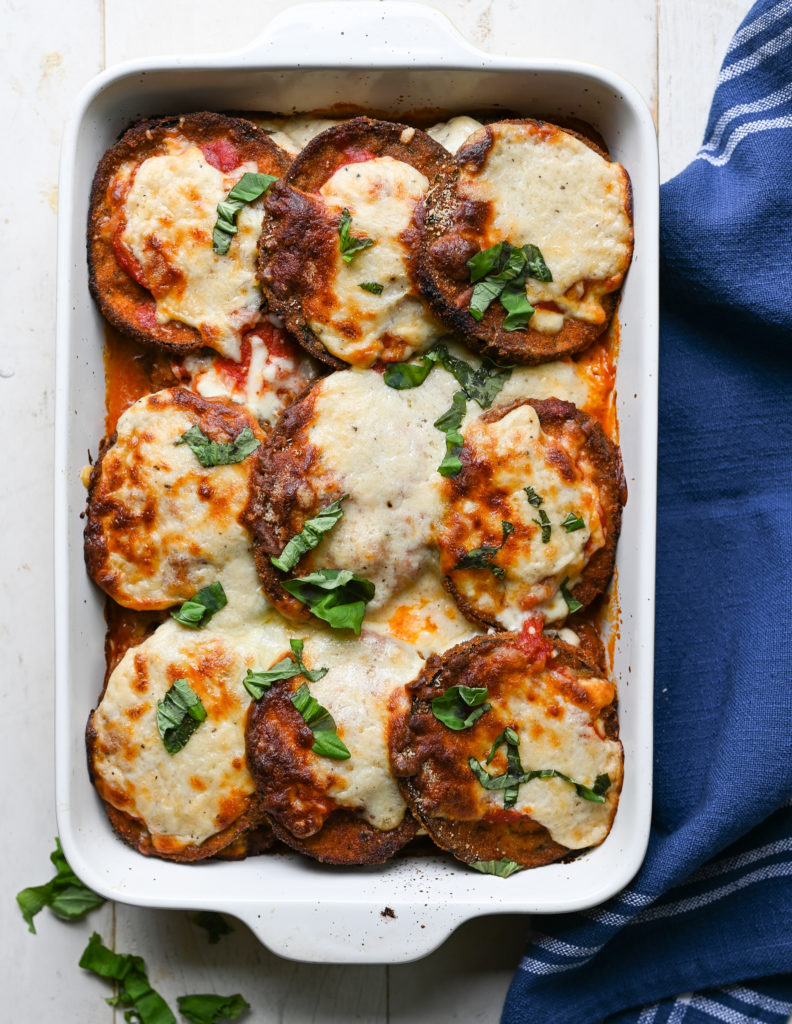
One of our all-time favorite Italian dishes is Eggplant Parmesan. This hearty and flavorful meal captures the essence of Italian cuisine with its layers of breaded and fried eggplant, tangy tomato sauce, and melted cheese. Whether you’re a vegetarian or simply looking for a delicious meatless option, this dish is sure to satisfy your taste buds.
To make Eggplant Parmesan, you’ll need the following ingredients:
- 2 large eggplants
- 2 cups bread crumbs
- 1 cup grated Parmesan cheese
- 2 eggs, beaten
- 2 cups marinara sauce
- 2 cups mozzarella cheese, shredded
- 1/4 cup fresh basil, chopped
- Salt and pepper, to taste
To prepare this dish, start by slicing the eggplants into 1/2-inch rounds. Then, dip each round into the beaten eggs and coat in a mixture of bread crumbs, Parmesan cheese, salt, and pepper. Next, heat some oil in a pan and fry the eggplant slices until they turn golden brown.
Once the eggplant slices are fried, begin layering the dish. Spread some marinara sauce on the bottom of a baking dish and place a single layer of eggplant slices on top. Sprinkle some mozzarella cheese and fresh basil over the eggplant, and repeat the layers until all the ingredients are used up. Finally, bake the dish in a preheated oven at 375°F (190°C) for about 25 minutes, or until the cheese is melted and bubbly.
The History of Eggplant Parmesan

The exact origin of Eggplant Parmesan is still a subject of debate, but it is believed to have been influenced by Arab and Greek cuisines, which introduced eggplants to the Mediterranean region. Eggplant was brought to Italy in the 14th century as a result of trade with the Arab world, and it quickly became a popular ingredient in Italian cuisine.
Over time, Italians began experimenting with different ways to prepare eggplants, and it wasn’t long before someone had the idea to layer the sliced eggplants with tomato sauce and cheese. This simple yet genius idea gave birth to the delicious dish we now know as Eggplant Parmesan.
The name “Parmesan” in Eggplant Parmesan refers to the use of Parmigiano-Reggiano cheese, a hard, aged cheese that is commonly used in Italian cuisine. The combination of the rich and tangy cheese with the sweet and savory flavors of the eggplant and tomato sauce creates a mouthwatering symphony of flavors that is hard to resist.
Today, Eggplant Parmesan is enjoyed all over the world and has become a staple in Italian-American cuisine. It is often served as a main course, accompanied by a side of pasta or a fresh salad. Whether you prefer to make it at home or enjoy it at your favorite Italian restaurant, Eggplant Parmesan is a dish that will continue to delight taste buds for years to come.
Origins of Eggplant Parmesan
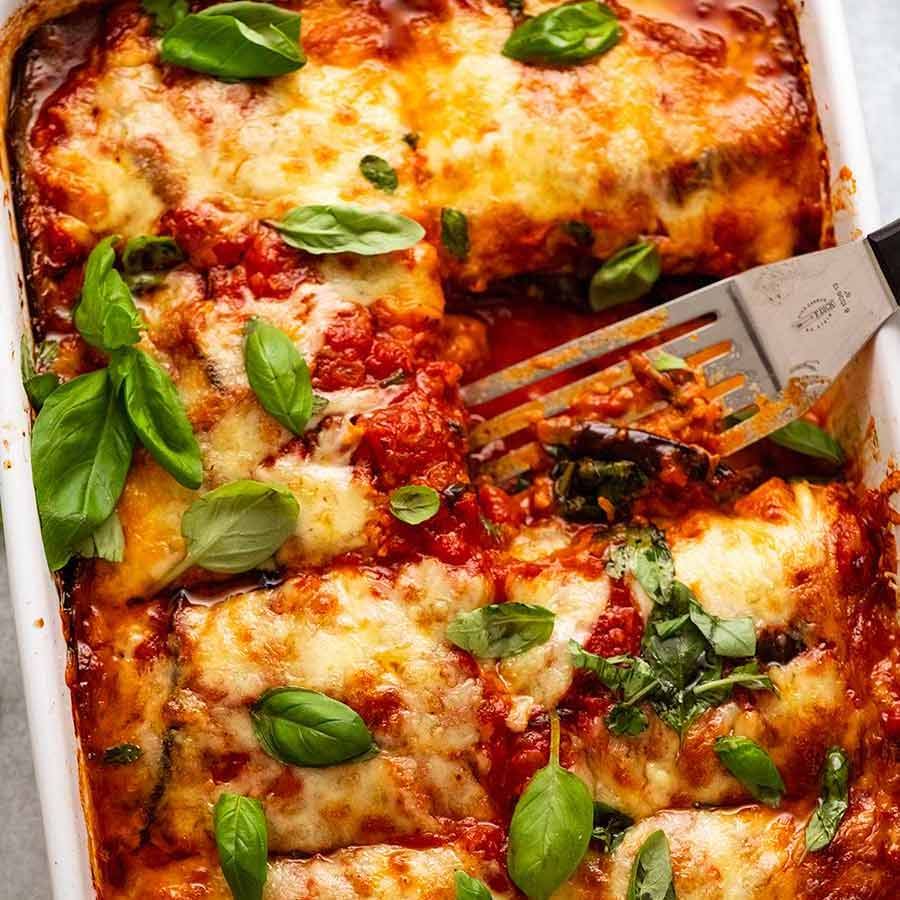
Eggplant Parmesan is a traditional Italian dish that consists of breaded and fried eggplant slices layered with tomato sauce and cheese, typically mozzarella and Parmesan. The dish is then baked in the oven until the cheese is melted and bubbly. It is often served as a main course, accompanied by pasta or a side salad.
The exact origins of Eggplant Parmesan are unclear, but it is believed to have been influenced by the Arab cuisine that was introduced to Southern Italy during the Middle Ages. The Moors, who occupied parts of Southern Italy, brought with them various culinary traditions, including the use of eggplant in their dishes. Over time, the Italians adapted these cooking techniques and ingredients to create their own version of Eggplant Parmesan.
The table below shows a basic recipe for Eggplant Parmesan:
| Ingredients | Instructions |
|---|---|
| Eggplants | Peel and slice the eggplants into rounds. |
| Breadcrumbs | Dip the eggplant slices in beaten eggs, then coat them in breadcrumbs. |
| Olive oil | Heat olive oil in a pan and fry the breaded eggplant slices until golden brown. |
| Tomato sauce | Spread a layer of tomato sauce in a baking dish. |
| Mozzarella cheese | Layer the fried eggplant slices on top of the tomato sauce, then add a layer of mozzarella cheese. |
| Parmesan cheese | Sprinkle Parmesan cheese on top of the mozzarella cheese. |
| Oven | Bake in the oven at 375°F (190°C) for about 20 minutes, or until the cheese is melted and bubbly. |
Eggplant Parmesan is a delicious and satisfying dish that showcases the flavors of Italy. Whether enjoyed on its own or served with pasta, it is a perfect choice for vegetarians and eggplant lovers alike.
Evolution of the Dish
One of the earliest versions of eggplant parmesan can be found in Sicily, Italy. In this traditional recipe, the eggplant slices are salted and left to drain, which helps remove any bitterness from the vegetable. The eggplant slices are then breaded and fried until golden brown. These crispy slices are layered with tomato sauce and cheese, usually mozzarella and Parmigiano-Reggiano, and then baked until the cheese is melted and bubbly.
As this dish gained popularity, different regions put their own twist on the recipe. In America, for example, ingredients like breadcrumbs, eggs, and flour are often added to the breading mixture for a crispier texture. In some versions, ricotta cheese is also included, adding creaminess to the dish.
The table below summarizes the key ingredients and methods used in different variations of eggplant parmesan:
| Region | Main Ingredients | Method |
|---|---|---|
| Sicily, Italy | Eggplant, Tomato Sauce, Mozzarella, Parmigiano-Reggiano | Salt and drain eggplant, bread and fry, layer with sauce and cheese, bake |
| United States | Eggplant, Tomato Sauce, Mozzarella, Parmigiano-Reggiano, Breadcrumbs, Eggs, Flour | Salt and drain eggplant, bread with mixture of breadcrumbs, eggs, and flour then fry, layer with sauce and cheese, bake |
| Other variations | Eggplant, Tomato Sauce, Mozzarella, Parmigiano-Reggiano, Ricotta | Salt and drain eggplant, bread and fry, layer with sauce, cheese, and ricotta, bake |
Eggplant parmesan continues to be a beloved and versatile dish, with countless variations and adaptations. Whether it’s served as a vegetarian main course or a side dish, this classic recipe appeals to a wide range of palates and remains a favorite in many households.


