
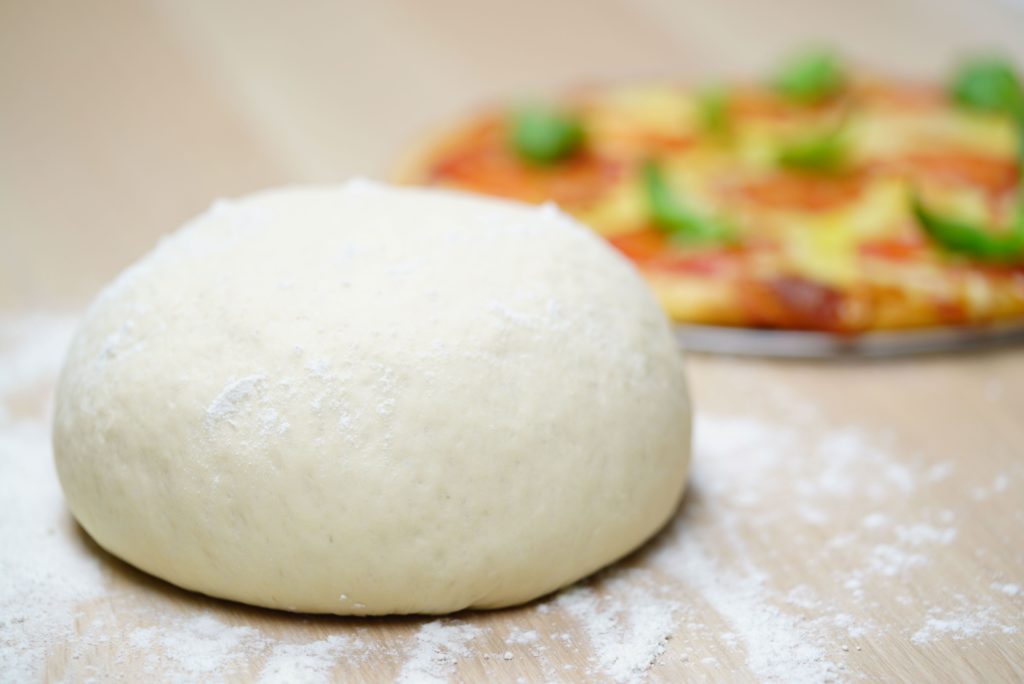
Are you tired of spending money on store-bought pizza dough? Why not try making your own easy homemade pizza dough instead? It’s simple, cost-effective, and allows you to customize your pizza to your liking. With just a few basic ingredients and some patience, you can create a delicious and versatile dough that will impress your family and friends.
If you’re new to making pizza dough from scratch, don’t worry – it’s easier than you might think. All you need is flour, yeast, salt, water, and a little bit of olive oil. Simply mix these ingredients together and knead the dough until it’s smooth and elastic. Then, let it rise for an hour or two until it doubles in size. Once the dough has risen, you can roll it out into your desired pizza shape and add your favorite toppings. Whether you prefer classic cheese and pepperoni or adventurous combinations like barbecue chicken or margherita, the possibilities are endless.
Making your own pizza dough not only allows you to control the ingredients and flavor but also gives you the opportunity to get creative in the kitchen. You can experiment with different types of flour, such as whole wheat or gluten-free, to cater to dietary restrictions or personal preferences. You can also play around with herbs and spices to add extra flavor to the dough itself. The best part is that making your own pizza dough is a great activity to involve the whole family in. Kids will love getting their hands messy and helping roll out the dough, and it’s a fun way to spend time together in the kitchen.
Gather the Ingredients
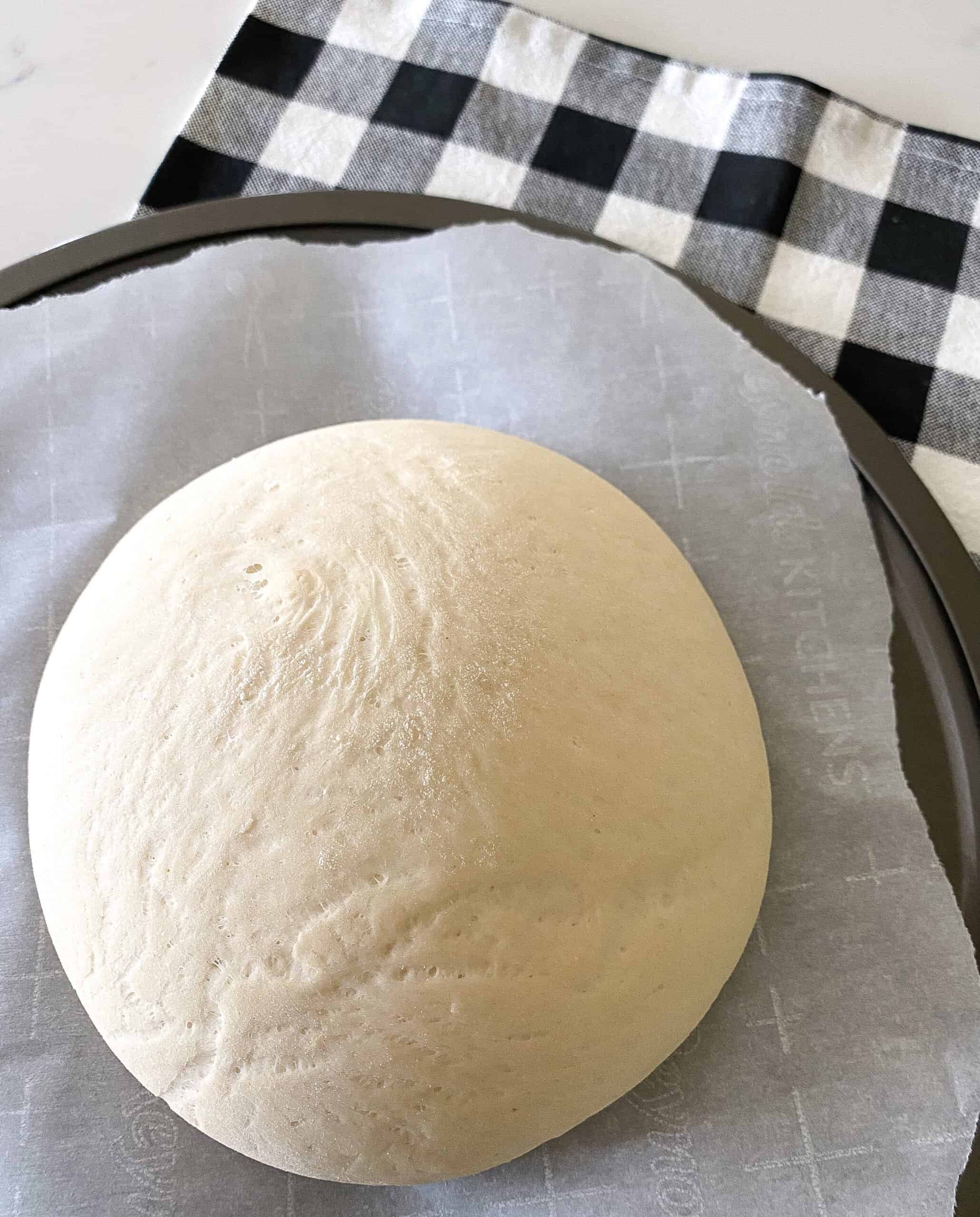
- All-purpose flour: You’ll need 3 cups of all-purpose flour. This type of flour works well for pizza dough as it creates a nice, chewy texture.
- Instant yeast: You’ll need 2 teaspoons of instant yeast. This type of yeast doesn’t require proofing and helps the dough rise quickly.
- Sugar: You’ll need 1 teaspoon of sugar to activate the yeast. The sugar provides food for the yeast, helping it to grow and create carbon dioxide for a risen dough.
- Salt: You’ll need 1 teaspoon of salt to enhance the flavor of the dough. Salt also helps to strengthen the gluten in the dough, resulting in a better texture.
- Olive oil: You’ll need 2 tablespoons of olive oil to add richness and moisture to the dough. It also helps to prevent the dough from sticking.
- Warm water: You’ll need 1 cup of warm water, around 110°F (43°C). The warm water activates the yeast and helps the dough to rise.
Once you have all your ingredients ready, you’re good to go and start making your own delicious pizza dough!
Mixing and Kneading the Dough
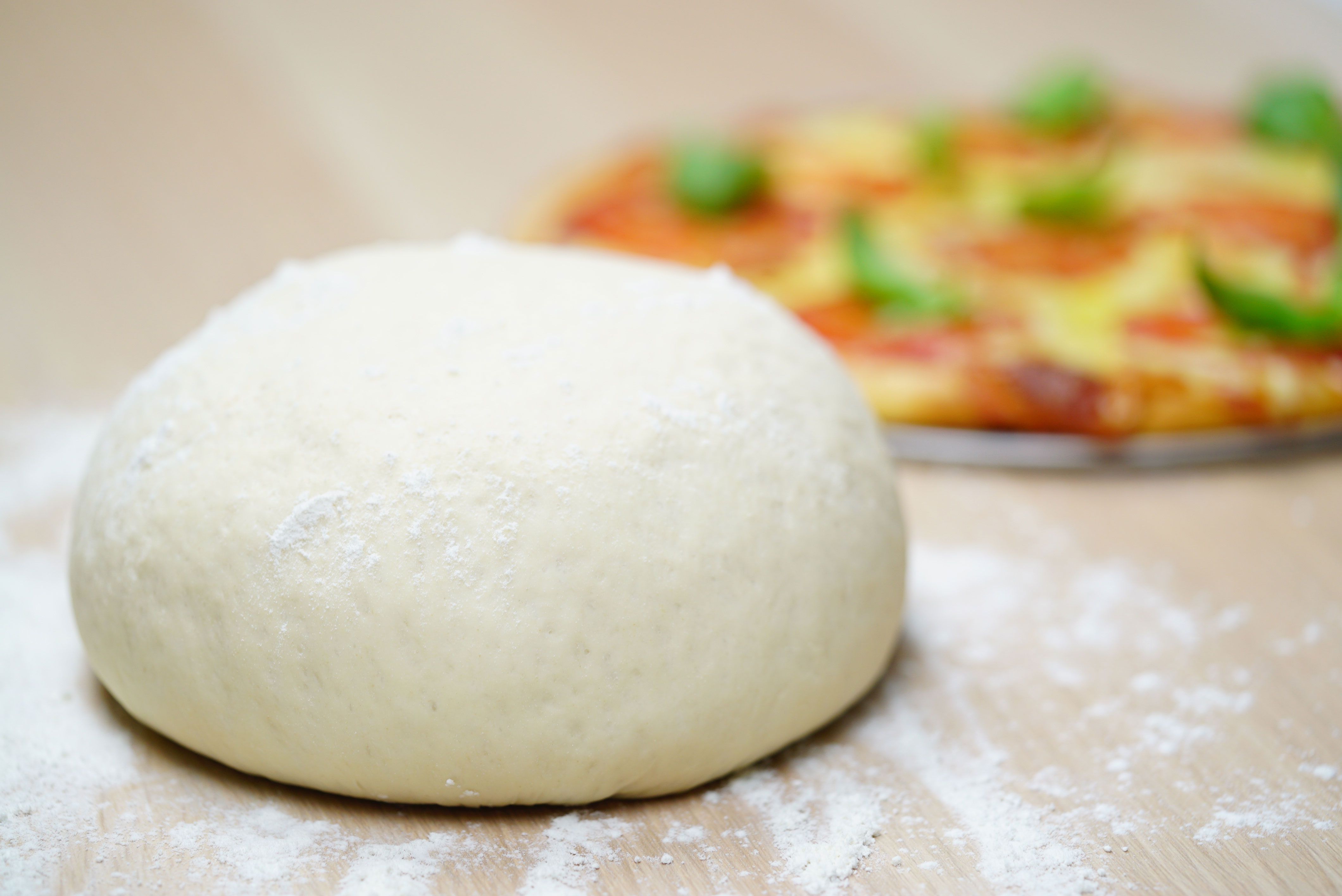
To make delicious homemade pizza, it is important to properly mix and knead the dough. These steps are crucial in achieving the perfect texture and taste. Mixing the ingredients allows for the dough to come together and form a cohesive mass, while kneading develops the gluten in the flour, giving the dough its elasticity and structure.
Mixing: The process of mixing involves combining the dry ingredients (flour, salt, and yeast) in a large bowl. It is important to whisk these ingredients together thoroughly to ensure they are evenly distributed. Then, warm water is gradually added to the dry mixture, and everything is stirred together with a spoon or a dough whisk. This initial mixing allows the flour to absorb the water and begin to form a dough.
Kneading: Once the dough has come together, it is time to knead it. Kneading is the process of working the dough with your hands to develop the gluten. This can be done on a clean surface or in the bowl itself. To knead, push the dough away from you with the heel of your hand, then fold it over onto itself, rotate it a quarter turn, and repeat. The dough should be smooth, elastic, and slightly tacky to the touch. Kneading typically takes around 8-10 minutes, but the exact time can vary depending on the recipe and the type of flour used.
Combining the Dry and Wet Ingredients
To combine the dry ingredients, start by measuring the flour and adding it to a mixing bowl. You can use all-purpose flour or a combination of all-purpose and whole wheat flour for a healthier option. Then, add the yeast and salt to the flour. The yeast helps the dough rise, while the salt adds flavor. If you want a slightly sweeter dough, you can add a tablespoon of sugar or honey at this point.
- Measure the flour and add it to a mixing bowl.
- Add the yeast and salt to the flour.
- Optional: Add sugar or honey for a sweeter dough.
Next, it’s time to combine the wet ingredients. In a separate bowl, mix together the water, oil, and any other liquids you’re using, such as milk or eggs. The oil helps make the dough more pliable and gives it a nice texture. You can use olive oil, vegetable oil, or any other cooking oil you prefer.
- Mix together the water, oil, and any other liquids.
- Use olive oil, vegetable oil, or any other cooking oil.
Once both the dry and wet ingredients are ready, it’s time to bring them together. Gradually pour the wet ingredients into the mixing bowl with the dry ingredients. Use a wooden spoon or your hands to mix them until a shaggy dough forms. If the dough feels too dry, you can add a little more water; if it feels too sticky, you can add a little more flour.
| Dry ingredients | Wet ingredients |
|---|---|
| Flour | Water |
| Yeast | Oil |
| Salt | Milk (optional) |
| Eggs (optional) |
Once the ingredients are combined, transfer the dough onto a lightly floured surface and knead it for about 5-7 minutes until it becomes smooth and elastic. Then, place the dough in a greased bowl, cover it with a clean kitchen towel or plastic wrap, and let it rise in a warm place for about an hour or until it doubles in size. After the dough has risen, it is ready to be rolled out and topped with your favorite pizza ingredients.
Kneading the Dough
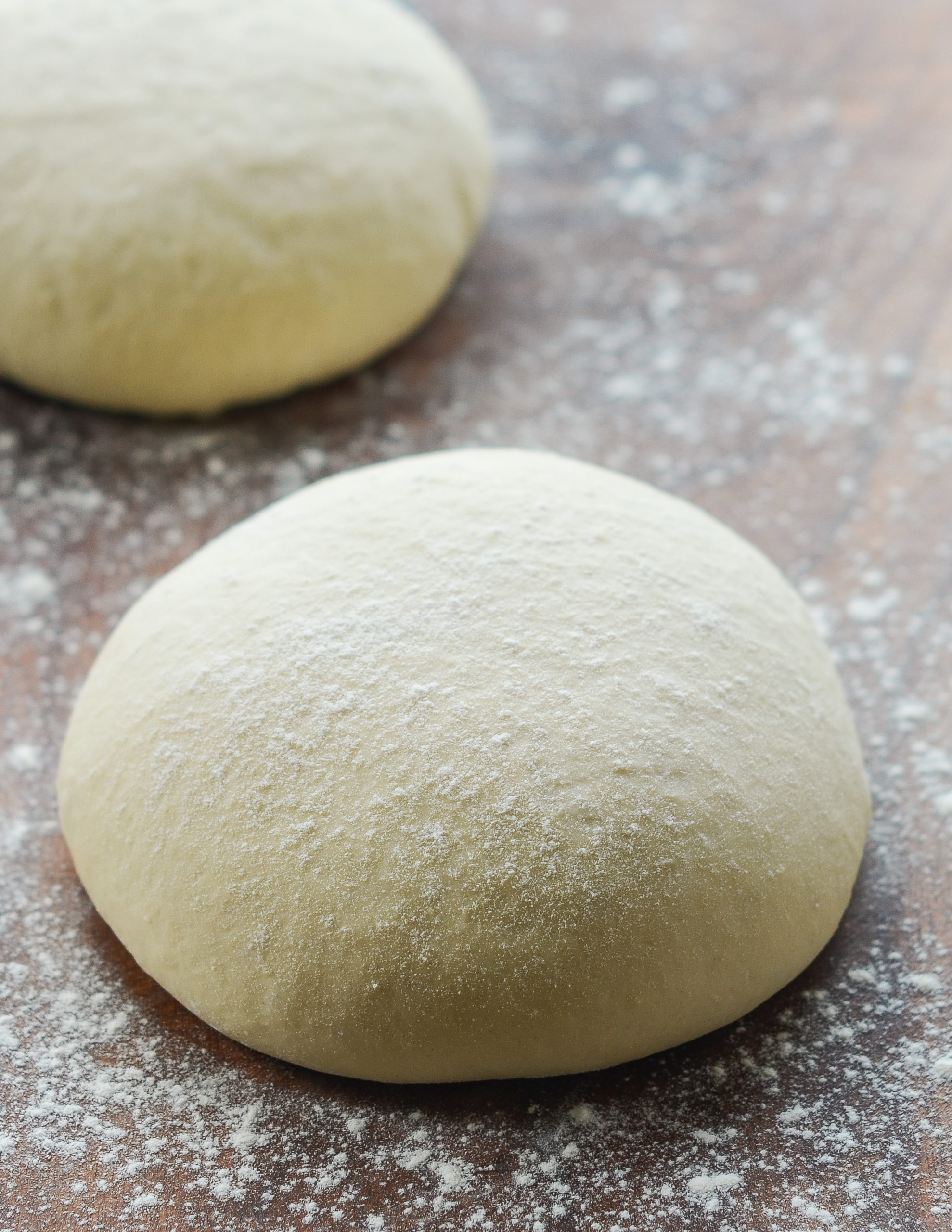
There are a few key tips to keep in mind when kneading pizza dough. Firstly, it’s important to start with a well-hydrated dough that is not too sticky. This will make it easier to handle and knead. If the dough is too sticky, you can add a little more flour as you knead to achieve the right consistency.
Kneading helps to develop gluten, which gives the dough its structure and elasticity.
To knead the dough, start by lightly flouring a clean surface. Place the dough onto the surface and begin pushing it away from you with the heel of your hand. Fold the dough over itself and give it a quarter turn. Repeat this process, pushing, folding, and turning, for about 8-10 minutes or until the dough is smooth and elastic.
It’s important to avoid adding too much flour while kneading, as this can make the dough dense and dry. If the dough starts sticking to the surface or your hands, you can lightly dust it with flour, but be careful not to overdo it.
When kneading the dough, start by pushing it away from you with the heel of your hand, folding it over itself, and giving it a quarter turn.
Once the dough is properly kneaded, it should be soft and pliable. You can test if the dough is ready by taking a small piece and stretching it gently. If it stretches without tearing and forms a thin translucent membrane, then it’s ready.
After kneading, the dough should be allowed to rest for a period of time to relax the gluten. This makes it easier to shape and prevents it from shrinking back when rolled out. Cover the dough with a clean kitchen towel and let it rest for at least 30 minutes before using.


