
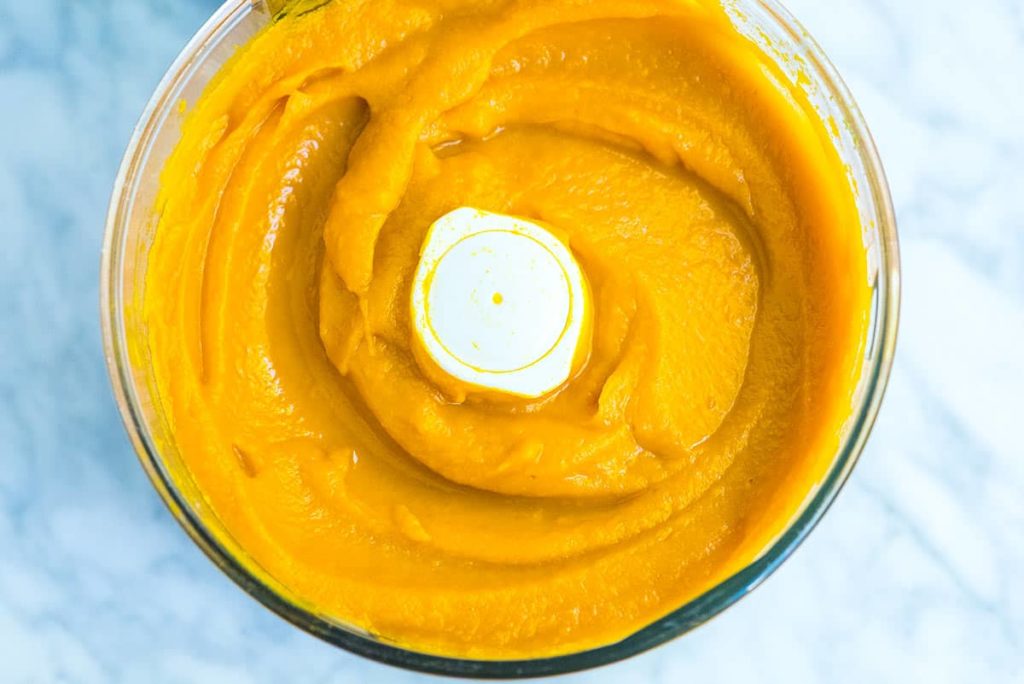
One of the best things about fall is the abundance of pumpkins. Whether you want to make a delicious pumpkin pie or a savory pumpkin soup, starting with homemade pumpkin puree can take your recipes to the next level. Making pumpkin puree from scratch is easier than you might think and allows you to control the flavor and texture of your final dish.
To make your own pumpkin puree, you will need a small sugar pumpkin, also known as a pie pumpkin. These pumpkins are smaller and sweeter than the larger varieties used for carving. A sugar pumpkin typically weighs between 4 and 8 pounds and has a dense, smooth flesh that is perfect for pureeing.
Here are the steps to easily make pumpkin puree from scratch:
- Cut the sugar pumpkin in half and scoop out the seeds and stringy pulp.
- Place the pumpkin halves, cut side down, on a baking sheet lined with parchment paper.
- Bake the pumpkin at 375°F (190°C) for about 1 hour, or until the flesh is fork-tender.
- Remove the pumpkin from the oven and let it cool slightly.
- Scoop out the cooked pumpkin flesh and transfer it to a food processor or blender.
- Blend the pumpkin until smooth and creamy.
- Your homemade pumpkin puree is now ready to be used in your favorite recipes!
Making your own pumpkin puree allows you to avoid the preservatives and additives often found in canned pumpkin. Plus, it’s a fun and rewarding process that will make your fall recipes taste even better. So next time you’re at the grocery store or farmers market, grab a sugar pumpkin and give homemade pumpkin puree a try!
Choosing the Right Pumpkin
Pumpkin Varieties:
- Sugar Pumpkins: Also known as pie pumpkins, sugar pumpkins are smaller in size and have a sweeter and more flavorful flesh. They are typically the best choice for making pumpkin puree for pies and other baked goods.
- Jack-o’-Lantern Pumpkins: These are the large pumpkins commonly used for carving and decorating during Halloween. While they can be used for making puree, the flesh tends to be watery and less flavorful compared to sugar pumpkins.
- Kabocha Pumpkins: This variety of pumpkin has a dense and sweet flesh, making it a great option for soups and stews. It can also be used to make puree, but the texture may be slightly different compared to sugar pumpkins.
Appearance:
When choosing a pumpkin for making puree, look for one that is firm and free from any soft spots or blemishes. The skin should be a deep orange or even slightly green. Avoid pumpkins with any mold or cracks, as these indicate that the pumpkin is not fresh and may not yield the best puree.
Size:
For making puree, smaller pumpkins are generally preferred. They are easier to handle, cook faster, and tend to have a sweeter flavor. Aim for pumpkins that are around 4-8 pounds in weight.
| Pumpkin Variety | Best Uses |
|---|---|
| Sugar Pumpkins | Pies, baked goods |
| Jack-o’-Lantern Pumpkins | Carving, decorations |
| Kabocha Pumpkins | Soups, stews |
By selecting the right pumpkin variety with a good appearance and size, you can ensure that your homemade pumpkin puree turns out delicious and flavorful.
Preparing the Pumpkin
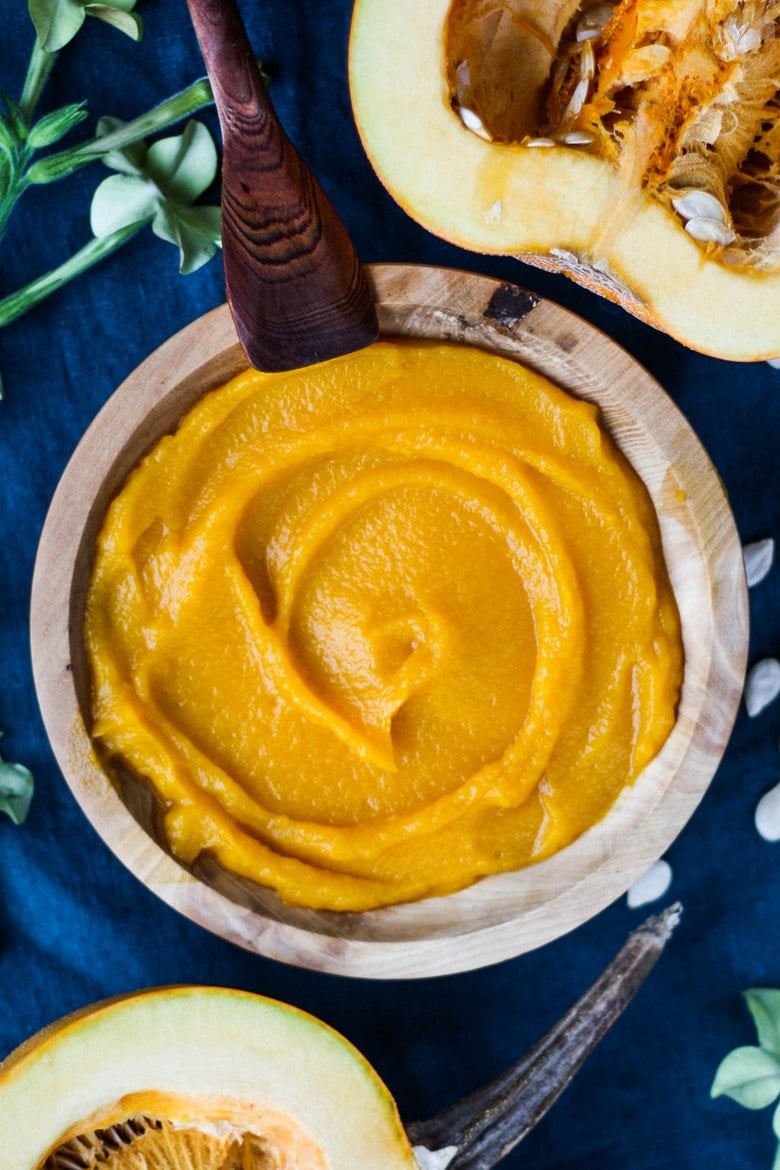
Once you have your pumpkin, follow these steps to prepare it for making puree:
- Wash the pumpkin: Use a scrub brush and water to clean the outside of the pumpkin. This removes any dirt or bacteria that may be on the surface.
- Cut the pumpkin: Use a sharp knife to carefully cut off the stem of the pumpkin. Then, cut the pumpkin in half from top to bottom.
- Remove the seeds and pulp: Use a spoon or ice cream scoop to scrape out the seeds and stringy pulp from the center of the pumpkin. You can save the seeds for roasting later if desired.
- Roast or steam the pumpkin: Place the pumpkin halves on a baking sheet and roast in the oven at 350°F (175°C) for about 45 minutes, or until the flesh is soft. Alternatively, you can steam the pumpkin halves in a steamer basket on the stovetop until soft.
- Scoop out the flesh: Once the pumpkin is cooked and cooled, use a spoon to scoop out the flesh from the pumpkin halves. Discard the skin.
By following these steps, you will have prepared the pumpkin for making homemade pumpkin puree. The puree can be used in a variety of recipes, such as pies, breads, and soups.
Cooking and Pureeing
Roasting:
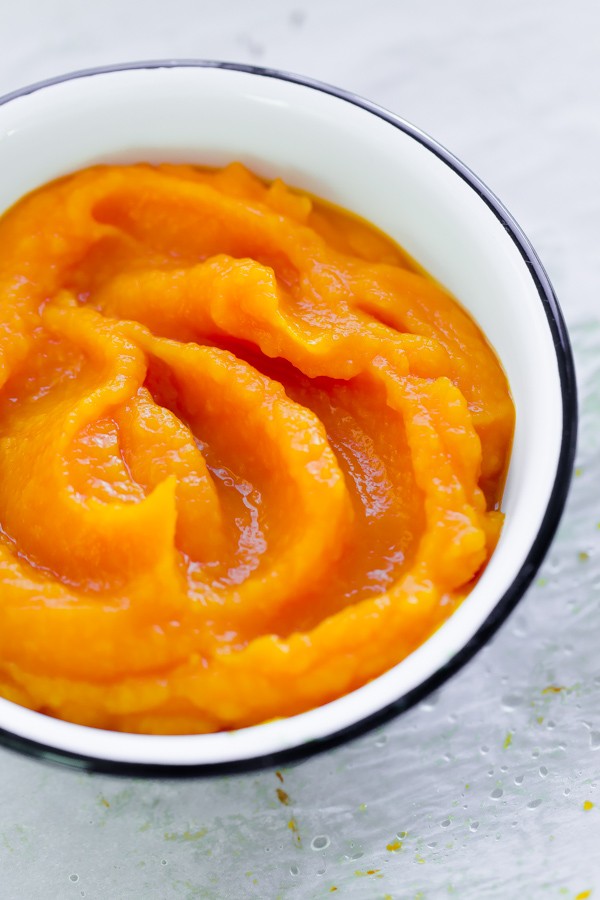
Roasting the pumpkin is a popular method that brings out the natural sweetness and enhances the flavor of the pumpkin. To roast the pumpkin, cut it in half and remove the seeds. Place the halves face down on a baking sheet and roast in the oven at 375 degrees Fahrenheit for about 45 minutes to an hour, or until the flesh is tender. Once the pumpkin is roasted, allow it to cool before scooping out the flesh and pureeing it.
Boiling:
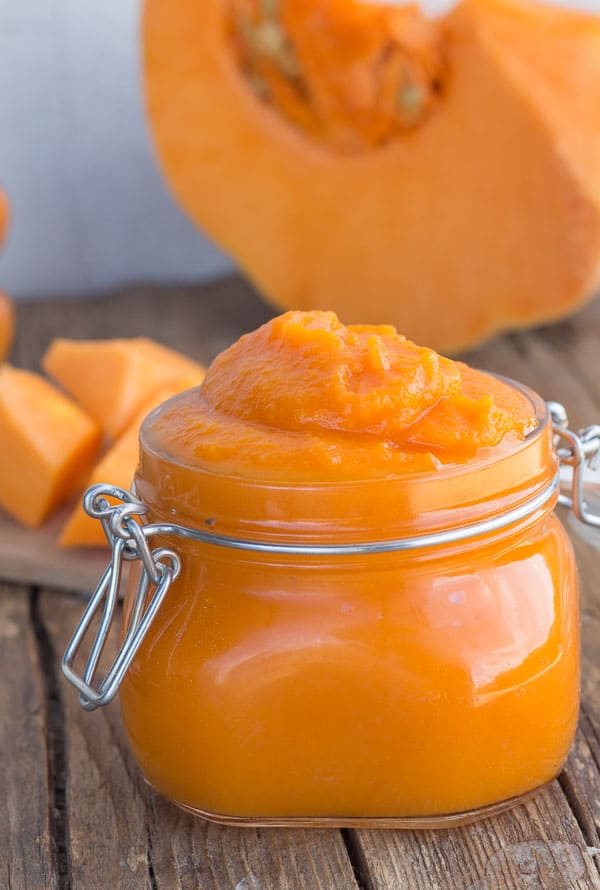
Boiling is another common method for cooking pumpkin. To boil the pumpkin, cut it into smaller pieces and remove the seeds. Place the pumpkin pieces in a large pot and cover with water. Bring the water to a boil, then reduce the heat and let the pumpkin simmer for about 20-30 minutes, or until the flesh is soft. Drain the pumpkin and let it cool before pureeing.
- Cooking and pureeing the pumpkin is an essential step in making homemade pumpkin puree.
- Roasting the pumpkin brings out its natural sweetness and enhances the flavor.
- Boiling the pumpkin is a quicker method for cooking and can be easily done on the stovetop.
- Once the pumpkin is cooked, allow it to cool before pureeing it to a smooth consistency.


