

Dried chickpeas, also known as garbanzo beans, are a versatile and nutritious legume that can be a great addition to many dishes. Cooking dried chickpeas is a simple process that involves soaking the beans and then simmering them until they are tender. In this ultimate guide, we will walk you through the steps of cooking dried chickpeas to perfection.
Step 1: Soaking the chickpeas
- Start by sorting through the dried chickpeas and removing any debris or damaged beans.
- Rinse the chickpeas under cold water to remove any dirt or dust.
- Place the chickpeas in a bowl and cover them with water. Use about 3 cups of water for every 1 cup of dried chickpeas.
- Allow the chickpeas to soak for at least 8 hours or overnight. This will help soften the beans and reduce the cooking time.
Step 2: Cooking the chickpeas
- Rinse the soaked chickpeas under cold water again.
- Transfer the chickpeas to a large pot and add enough water to cover them by at least 2 inches.
- Bring the water to a boil over high heat, then reduce the heat to low and let the chickpeas simmer.
- Cook the chickpeas for about 1 to 1 1/2 hours, or until they are tender but still hold their shape. The cooking time may vary depending on the freshness of the chickpeas and how long they were soaked.
Once the chickpeas are cooked, you can use them in a variety of dishes, such as salads, soups, stews, and even hummus. They can also be seasoned with herbs and spices to create delicious snacks. Enjoy your homemade chickpeas knowing that you’ve cooked them to perfection!
Pro-tip: If you’re short on time, you can also use a pressure cooker to cook dried chickpeas. Simply follow the manufacturer’s instructions for cooking times and water ratios.
Why Choose Dried Chickpeas
One of the main advantages of using dried chickpeas is that they are less expensive than canned chickpeas. While canned chickpeas are convenient, they can be more expensive and may contain added preservatives or sodium. Dried chickpeas, on the other hand, are cost-effective and can be stored for long periods of time without losing their nutritional value.
- Dried chickpeas have a longer shelf life than canned chickpeas.
- They are more economical and cost-effective in the long run.
- They can be soaked and cooked to your preferred texture.
- Dried chickpeas have a nutty flavor and grainy texture.
- They are a good source of protein and fiber.
So, next time you are planning to cook chickpeas, consider using dried chickpeas instead of canned ones. You will have more control over the cooking process and can enjoy the benefits of their superior taste, texture, and nutritional value.
Benefits of Dried Chickpeas
- Nutritional powerhouse: Dried chickpeas are packed with essential nutrients that are vital for maintaining good health. They are an excellent source of plant-based protein, fiber, and various vitamins and minerals, including folate, iron, magnesium, and potassium. Incorporating dried chickpeas into your diet can help support muscle growth, improve digestion, and promote overall well-being.
- Heart-healthy: Dried chickpeas are high in dietary fiber, which has been linked to a reduced risk of heart disease. Fiber helps to lower cholesterol levels, regulate blood sugar levels, and promote a healthy gut. Including dried chickpeas in your meals can contribute to a heart-healthy diet and help improve cardiovascular health.
- Versatile and cost-effective: Dried chickpeas can be used in a variety of dishes, making them a versatile ingredient to have in your pantry. Whether you want to make hummus, falafel, salad, or even curry, dried chickpeas can add a nutty flavor and a satisfying texture to your recipes. Moreover, they are affordable and have a long shelf life, making them a cost-effective choice for budget-conscious home cooks.
In summary, dried chickpeas offer a range of benefits, from their nutritious profile to their versatility in the kitchen. Including dried chickpeas in your diet can help you reap the advantages of these little legumes and add a wholesome touch to your meals.
Preparing Dried Chickpeas
Here is a step-by-step guide on how to prepare dried chickpeas:
- Start by sorting through the dried chickpeas and removing any damaged or discolored ones, as well as any stones or foreign objects.
- Rinse the chickpeas under cold water to remove any dirt or dust.
- Place the chickpeas in a large bowl and cover them with enough water. Leave them to soak overnight or for at least 8 hours. This will help soften them and reduce the cooking time.
- After soaking, drain the chickpeas and rinse them again.
- In a large saucepan, add the soaked chickpeas and enough water to cover them. Optionally, you can also add some salt or bay leaves for extra flavor.
- Bring the water to a boil over medium-high heat, then reduce the heat to low and simmer for about 1 to 2 hours, or until the chickpeas are tender. The exact cooking time may vary depending on the age and size of the chickpeas.
- Once the chickpeas are cooked, drain them and rinse them with cold water to stop the cooking process.
- Your prepared chickpeas are now ready to be used in various recipes, such as hummus, salads, soups, or stews.
Remember that the soaking and cooking times may vary, so it’s important to periodically check the chickpeas for doneness. You can test their tenderness by biting into one or squishing it between your fingers. They should be soft and creamy without any hard or chalky centers.
Soaking Dried Chickpeas
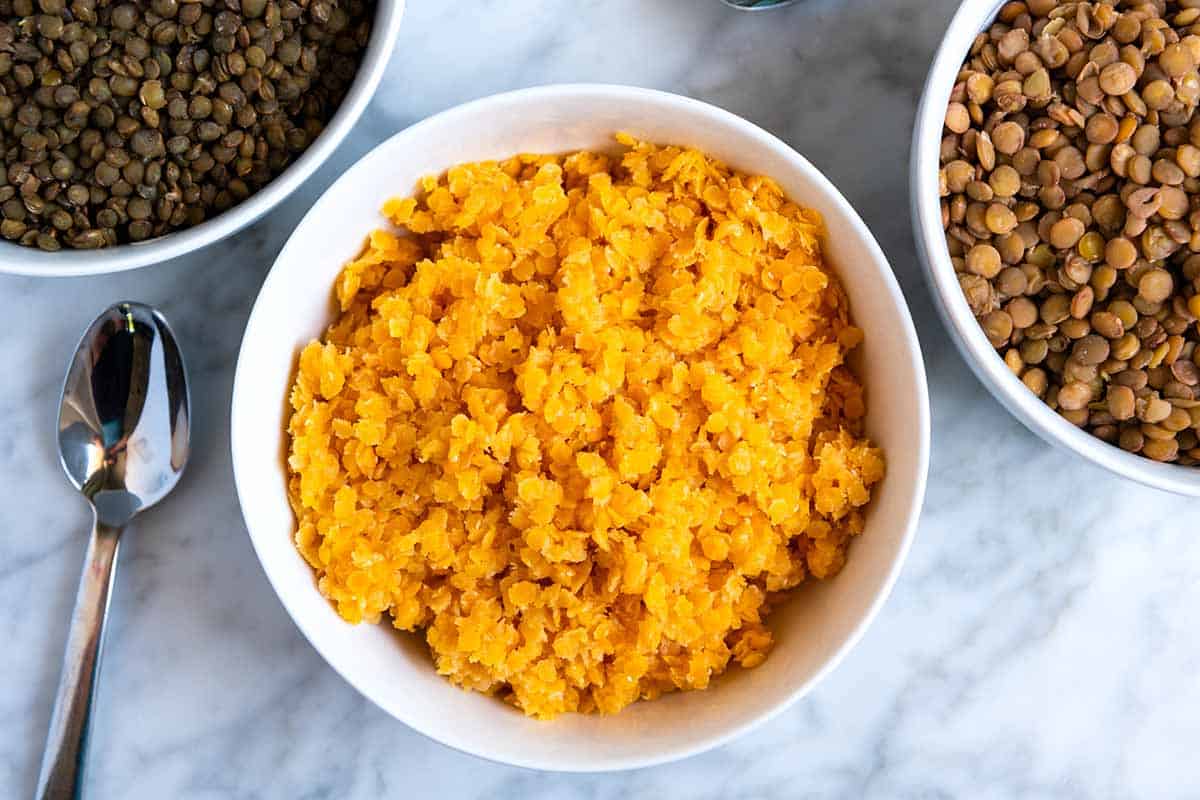
When soaking dried chickpeas, there are two main methods to choose from: the overnight soak and the quick soak. The overnight soak method requires at least 8 hours of soaking time, while the quick soak method takes approximately 1-2 hours. Regardless of the method you choose, it is important to rinse the dried chickpeas before soaking to remove any dirt or debris.
The Overnight Soak Method:
- Rinse the dried chickpeas under cold water to remove any dirt or debris.
- In a large bowl, add the rinsed chickpeas and enough water to cover them by at least 2 inches.
- Cover the bowl with a clean kitchen towel or plastic wrap and let the chickpeas soak overnight, or for at least 8 hours.
- After the soaking time is complete, drain and rinse the chickpeas before proceeding with your recipe.
The Quick Soak Method:
- Rinse the dried chickpeas under cold water to remove any dirt or debris.
- In a large pot, add the rinsed chickpeas and enough water to cover them by at least 2 inches.
- Bring the water to a boil over high heat and let the chickpeas boil for 2 minutes.
- Remove the pot from heat, cover it with a lid, and let the chickpeas soak for 1-2 hours.
- After the soaking time is complete, drain and rinse the chickpeas before proceeding with your recipe.
Soaking dried chickpeas is a crucial step in cooking them, as it helps to ensure they are fully hydrated and evenly cooked. Whether you choose the overnight soak method or the quick soak method, don’t forget to drain and rinse the soaked chickpeas before using them in your favorite recipes.
Cooking Dried Chickpeas on Stove
Step 1: Start by rinsing the dried chickpeas under cold water to remove any dirt or debris. Then, soak them in a large bowl filled with enough water to cover the chickpeas completely. Allow them to soak overnight or for at least 8 hours. This will help soften the chickpeas and reduce cooking time.
Step 2: After soaking, drain the chickpeas and transfer them to a large pot. Add fresh water to the pot, using a ratio of 3 cups of water for every 1 cup of dried chickpeas. Bring the water to a boil over high heat.
Step 3: Once the water is boiling, reduce the heat to low and cover the pot partially with a lid. Simmer the chickpeas for about 1 to 1.5 hours, or until they are tender but still hold their shape. Test their doneness by pressing a chickpea between your fingers – it should be soft but not mushy.
Step 4: Once the chickpeas are cooked, drain them in a colander and rinse them under cold water. This will stop the cooking process and cool them down for immediate use, or store them in an airtight container in the refrigerator for up to 3 days.
Now, you are ready to use your cooked chickpeas in various dishes like salads, stews, hummus, or soups. Remember, cooking dried chickpeas on the stove is a simple and rewarding process that allows you to enjoy the delicious taste and texture of these versatile legumes.
Cooking Dried Chickpeas in a Pressure Cooker
Step 1: Preparation
- Start by rinsing your dried chickpeas under cold water to remove any debris or impurities. Then, transfer them to a large bowl and cover them with water. Allow them to soak for at least 8 hours or overnight to soften and rehydrate.
- Once the chickpeas have soaked, drain them and give them another rinse. Set them aside for a moment.
Step 2: Cooking
- Place the soaked and drained chickpeas into the pressure cooker along with enough water to cover them completely. For every cup of dried chickpeas, use about 4 cups of water.
- Add any desired seasonings or aromatics to enhance the flavor of the chickpeas. This could include bay leaves, garlic, onion, or spices like cumin or paprika.
- Securely close the pressure cooker lid, ensuring it is properly sealed.
- Set the pressure cooker to high pressure and cook the chickpeas for about 25-30 minutes. The cooking time may vary depending on the size and freshness of the chickpeas.
- Once the cooking time is complete, allow the pressure to naturally release for about 10 minutes before carefully opening the lid.
Step 3: Finishing
- Drain the cooked chickpeas and rinse them with cold water to cool them down.
- Your perfectly cooked chickpeas are now ready to be used in various dishes. They can be added to salads, soups, stews, or mashed to create delicious homemade hummus.
Remember, always follow the manufacturer’s instructions for your specific pressure cooker model. Safety is crucial when using a pressure cooker, so ensure you understand its operation and take necessary precautions.
Cooking dried chickpeas in a pressure cooker is an excellent way to save time and effort in the kitchen. By following these simple steps, you can enjoy tender, flavorful chickpeas that can be used in a variety of recipes. So grab your pressure cooker and get ready to elevate your cooking game!


