
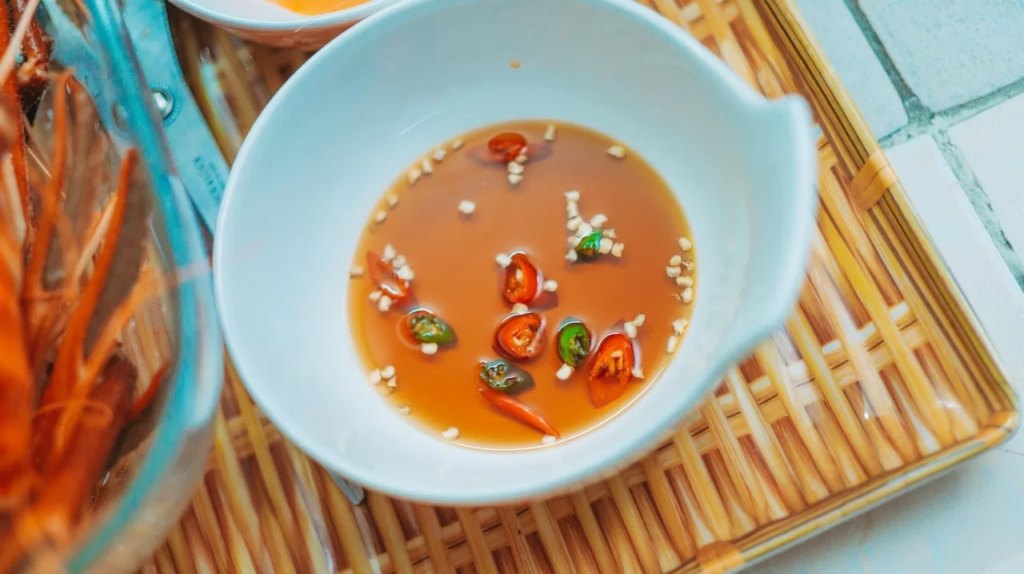
When it comes to Filipino cuisine, one cannot miss the unique and vibrant flavors that come from the assortment of dipping sauces. Filipino-style dipping sauce, also known as “sawsawan” in the Philippines, is a staple in Filipino households and can be found in various restaurants and street food stalls across the country. This tangy, savory, and sometimes spicy sauce adds an extra layer of flavor to traditional Filipino dishes and complements a wide range of flavors.
The Filipino-style dipping sauce is versatile and can be adjusted to suit different taste preferences. One of the most common variations is a mixture of vinegar, soy sauce, garlic, and chili peppers. This combination creates a balance between the acidity of the vinegar, the rich umami taste of soy sauce, the pungent flavor of garlic, and the heat from the chili peppers. The result is a sauce that enhances the flavors of grilled meats, roasted vegetables, or even simple steamed rice.
Ingredients and Variations
The traditional Filipino-style dipping sauce typically includes the following ingredients:
- Vinegar: The choice of vinegar can vary, with cane vinegar being the most commonly used. However, other varieties such as coconut vinegar or rice vinegar can also be used.
- Soy Sauce: This adds depth and umami flavor to the sauce. It can be substituted with tamari or liquid aminos for a gluten-free alternative.
- Garlic: Freshly minced garlic provides a pungent and aromatic flavor.
- Chili Peppers: Depending on the desired level of spiciness, different types of chili peppers can be used, such as bird’s eye chili or jalapeño.
There are numerous variations of Filipino-style dipping sauce, each with its own unique twist. Some common variations include adding calamansi juice, a Filipino citrus fruit, for a tangy and citrusy flavor, or adding sugar for a touch of sweetness to balance out the acidity and spiciness. Other variations may include adding ginger for an added depth of flavor or incorporating chopped onions and tomatoes for a fresh and chunky texture.
Uses and Pairings
Filipino-style dipping sauce can be used as a condiment or a marinade, depending on the dish. It is commonly served alongside grilled meats such as pork, chicken, or beef, adding a burst of flavor to each bite. It can also be drizzled over fried or steamed seafood, providing a tangy contrast to the natural sweetness of the seafood.
Aside from meats and seafood, this versatile sauce can also be paired with a variety of vegetables. It complements roasted or grilled vegetables, such as eggplant or okra, providing a savory and tangy element. It can also be used as a dipping sauce for spring rolls or lumpia, a popular Filipino appetizer.
In addition to its traditional uses, Filipino-style dipping sauce can also be used creatively in fusion or international dishes. It can be used as a marinade for grilled or roasted chicken, adding a Filipino twist to classic dishes. It can also be a flavorful dipping sauce for Asian-inspired tacos or as a dressing for salads, providing an exciting burst of flavors.
Conclusion

Filipino-style dipping sauce is a versatile and flavorful complement to any dish. Its unique blend of vinegar, soy sauce, garlic, and chili peppers adds a tangy, savory, and sometimes spicy element to various Filipino dishes. Whether used as a condiment, marinade, or dipping sauce, it enhances the flavors of grilled meats, seafood, vegetables, and even fusion dishes. So the next time you’re enjoying a Filipino meal or looking to add a burst of flavor to your dishes, don’t forget to reach for a bottle of Filipino-style dipping sauce.
Traditional Ingredients and Preparation
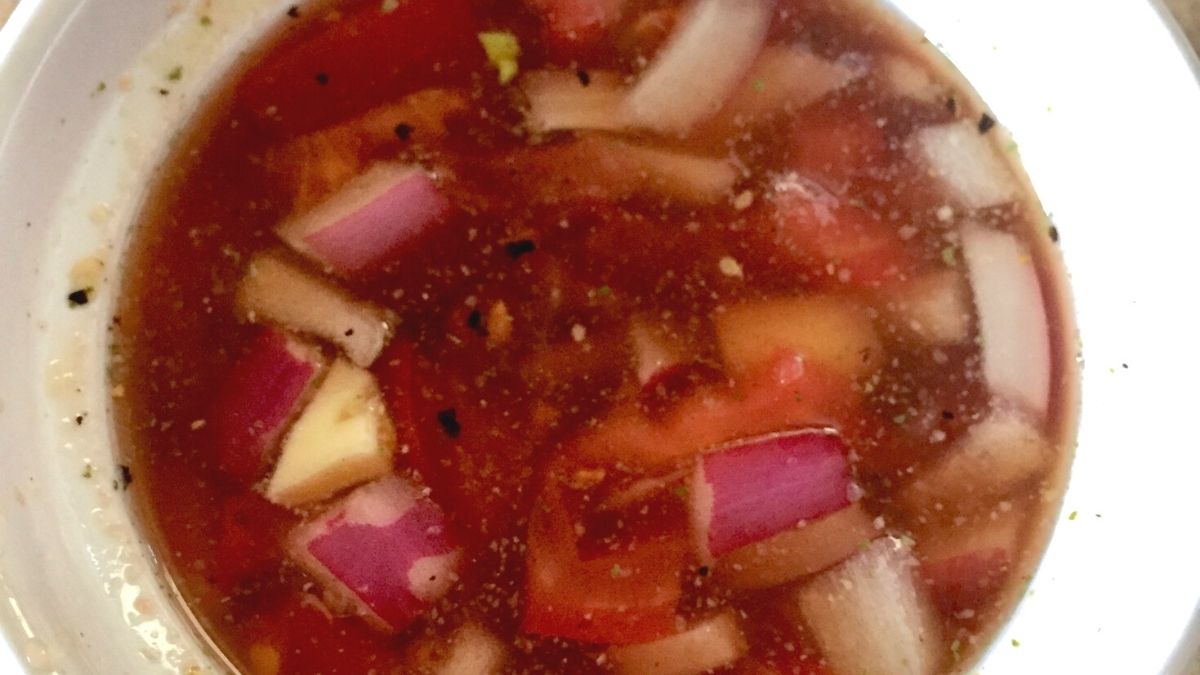
One of the main ingredients in Filipino style dipping sauce is vinegar. Vinegar adds a tangy and acidic flavor to the sauce. In Filipino cuisine, cane vinegar or coconut vinegar is commonly used. These types of vinegar have a milder and sweeter taste compared to other varieties.
An important component of the sauce is soy sauce, which adds a salty and savory element. Filipino soy sauce is typically made from fermented soybeans, giving it a rich and robust flavor. It is important to use a high-quality soy sauce to achieve the best taste in the dipping sauce.
To balance the flavors, Filipino style dipping sauce also includes fresh garlic and onion. These aromatic ingredients bring a hint of spiciness and provide a strong flavor base. It is common to mince or finely chop the garlic and onion before adding them to the sauce.
Other optional ingredients that can be added to the dipping sauce include chili peppers for a spicy kick, calamansi juice for a citrusy tang, and sugar for a touch of sweetness. These additional ingredients can vary depending on personal preferences and regional variations.
Traditional Filipino Style Dipping Sauce Ingredients:
- 1/4 cup cane vinegar or coconut vinegar
- 2 tablespoons soy sauce
- 2 cloves garlic, minced
- 1 small onion, finely chopped
Preparation:
- In a bowl, combine the vinegar and soy sauce.
- Add the minced garlic and finely chopped onion to the bowl.
- Stir well to ensure all ingredients are evenly mixed.
- Adjust the taste by adding more vinegar, soy sauce, or sugar according to personal preference.
- Let the sauce sit for at least 15 minutes to allow the flavors to meld together.
- Serve the Filipino style dipping sauce alongside your favorite dishes and enjoy!
Overall, Filipino style dipping sauce is a staple in Filipino cuisine, and its traditional ingredients and preparation create a flavorful and versatile condiment that enhances the taste of various dishes.


