
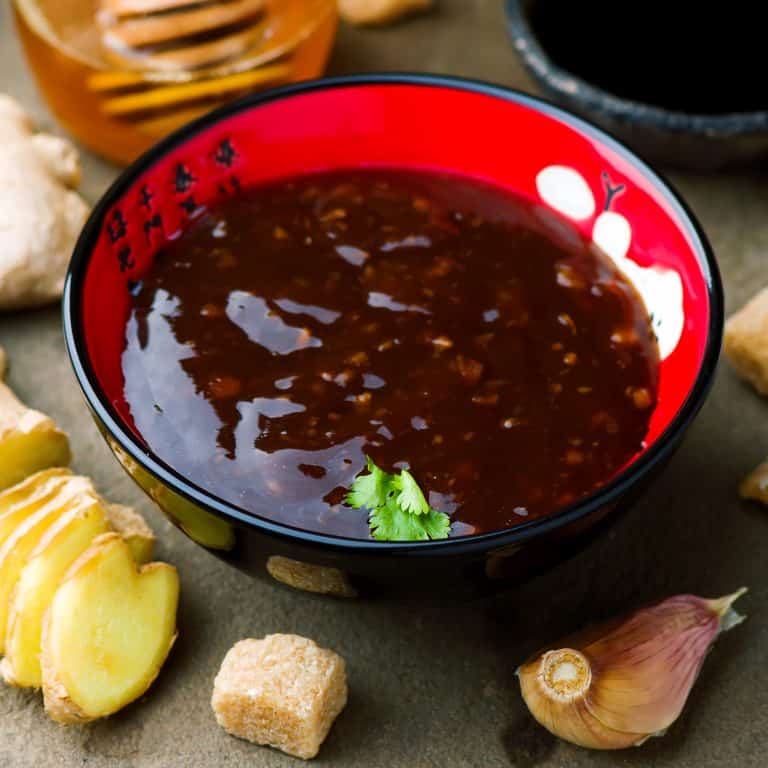
If you’re a fan of Japanese cuisine, you’ve probably encountered teriyaki sauce before. This flavorful sauce is a staple in many Japanese dishes and can be used as a marinade, glaze, or dipping sauce. While you can easily find pre-made teriyaki sauce in stores, making it from scratch allows you to control the ingredients and customize the flavors to your liking.
To make teriyaki sauce from scratch, you’ll need a few key ingredients: soy sauce, mirin, sake, sugar, garlic, and ginger. Soy sauce provides the umami base, while mirin and sake add a touch of sweetness and depth of flavor. The sugar helps to balance the flavors and caramelizes when cooked, giving the sauce a glossy finish.
To prepare the teriyaki sauce, start by combining soy sauce, mirin, sake, sugar, minced garlic, and grated ginger in a saucepan. Heat the mixture over medium heat until the sugar has dissolved, stirring occasionally. Once the sugar has dissolved, reduce the heat to low and let the sauce simmer for about 10 minutes, allowing the flavors to meld together and the sauce to thicken slightly.
Once your teriyaki sauce has cooled, you can use it immediately or store it in an airtight container in the refrigerator for up to two weeks. It’s a versatile sauce that can be used with chicken, beef, pork, seafood, or even vegetables. Brush it on grilled meats, drizzle it over stir-fries, or use it as a dipping sauce for sushi. The possibilities are endless!
The History of Teriyaki Sauce
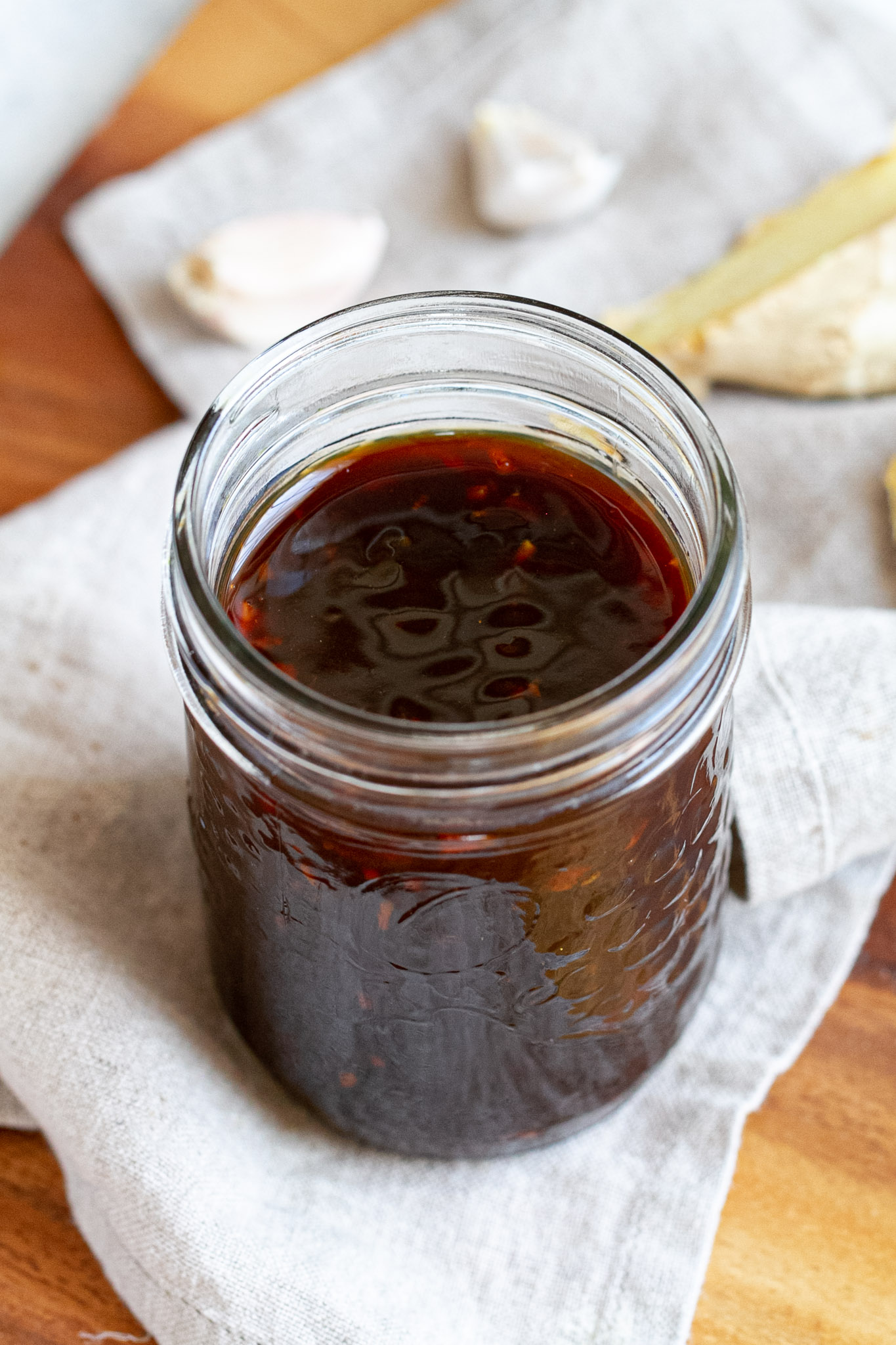
The word “teriyaki” is derived from the Japanese words “teri,” which means luster or shine, and “yaki,” which means to grill or broil. This name reflects the traditional cooking method of teriyaki, which involves grilling or broiling meat or fish and glazing it with a sweet and savory sauce.
The origins of teriyaki sauce can be traced back to the seventeenth century, during the Edo period in Japan. During this time, soy sauce became a staple ingredient in Japanese cuisine, and it was commonly used for marinating and seasoning various dishes. The addition of sugar and mirin, a sweet rice wine, to soy sauce created the basic teriyaki sauce recipe.
Over time, teriyaki sauce became more widespread and gained popularity outside of Japan. It was introduced to the United States in the late nineteenth century when Japanese immigrants began to settle there. The sauce was adapted to suit local tastes and ingredients, resulting in variations such as teriyaki chicken and teriyaki beef.
In modern times, teriyaki sauce has become a staple in many kitchens around the world. It is used not only as a marinade and glaze for grilled meats and fish but also as a dipping sauce and a flavorful addition to stir-fries and other dishes. Today, there are many different variations of teriyaki sauce available, with some recipes including additional ingredients like ginger, garlic, or sesame oil.
| Key Points |
|---|
| Teriyaki sauce originated in Japan during the Edo period. |
| The sauce is made by combining soy sauce, sugar, and mirin. |
| Teriyaki sauce was introduced to the United States by Japanese immigrants. |
| It is now a popular condiment used in many cuisines around the world. |
Origins in Japanese Cuisine
Teriyaki sauce is believed to have originated in the city of Yokohama during the 17th century, when Japanese cooks started experimenting with new cooking techniques and flavors influenced by Western cuisine. The sauce was initially used to marinate and glaze fish, but it soon became popular for other meats and vegetables as well.
The basic ingredients of teriyaki sauce include soy sauce, mirin, and sake, which give it a savory, sweet, and tangy flavor. Soy sauce is the key ingredient in teriyaki sauce, providing its rich umami taste. Mirin adds sweetness, while sake contributes a mild alcohol flavor and helps tenderize the meat. Other ingredients such as sugar, ginger, garlic, and sesame oil can be added to enhance the flavor of the sauce.
To make teriyaki sauce from scratch, you combine the ingredients in a saucepan and simmer them until the sauce thickens and develops a glossy texture. The sauce can then be used to marinate meat, fish, or vegetables before grilling or broiling, or it can be used as a glaze during cooking or as a dipping sauce.
Traditional Ingredients for Teriyaki Sauce
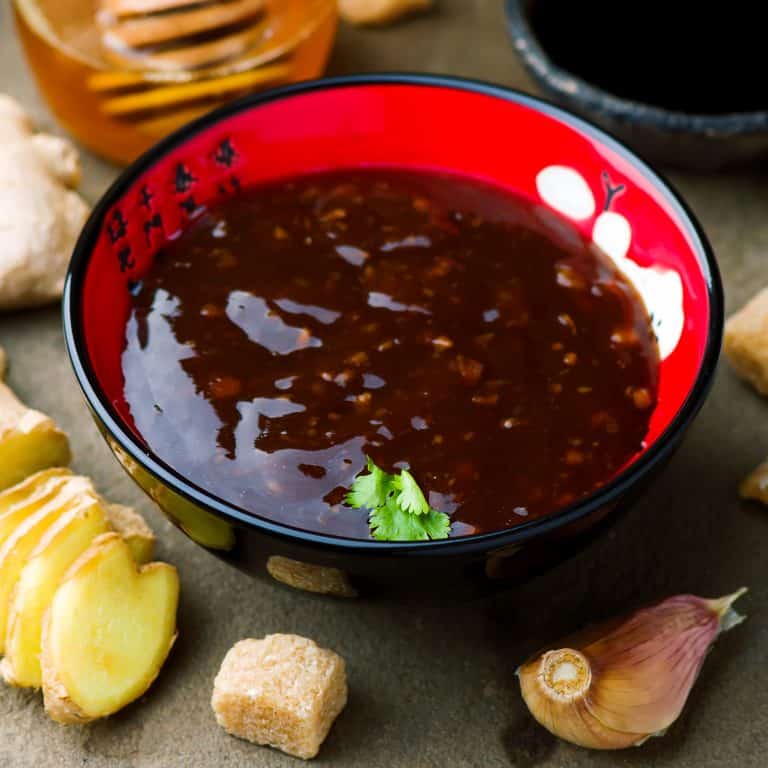
- Soy Sauce: Soy sauce is the base of teriyaki sauce and provides its salty and umami flavor. Traditionally, Japanese soy sauce, or shoyu, is used, but you can use any type of soy sauce.
- Mirin: Mirin is a sweet rice wine that adds a subtle sweetness and depth of flavor to teriyaki sauce. It can be found in most Asian grocery stores.
- Sake: Sake, a Japanese rice wine, is often added to teriyaki sauce to enhance its flavor. It adds a delicate acidity and helps tenderize the meat.
- Sugar: Sugar is added to teriyaki sauce to balance the saltiness and add sweetness. Brown sugar or honey can also be used for a richer flavor.
- Ginger and Garlic: Fresh ginger and garlic are commonly included in teriyaki sauce to add a fragrant and savory element. They are usually grated or minced before being added to the sauce.
- Cornstarch: Cornstarch is often used as a thickening agent in teriyaki sauce. It helps create a glossy and thick consistency.
These ingredients, when combined in the right proportions, create a delicious teriyaki sauce that can elevate any dish. The sauce can be customized based on personal preferences by adjusting the amount of sweetness or adding additional ingredients such as sesame oil or chili flakes for a spicy kick. Experimenting with different ingredients and ratios can lead to the perfect teriyaki sauce that suits your taste.
Soy Sauce
There are several types of soy sauce, including light soy sauce, dark soy sauce, and tamari sauce. Light soy sauce is thin and salty, while dark soy sauce has a thicker consistency and a slightly sweeter taste. Tamari sauce, on the other hand, is often gluten-free and is made with little to no wheat.
Benefits of Soy Sauce
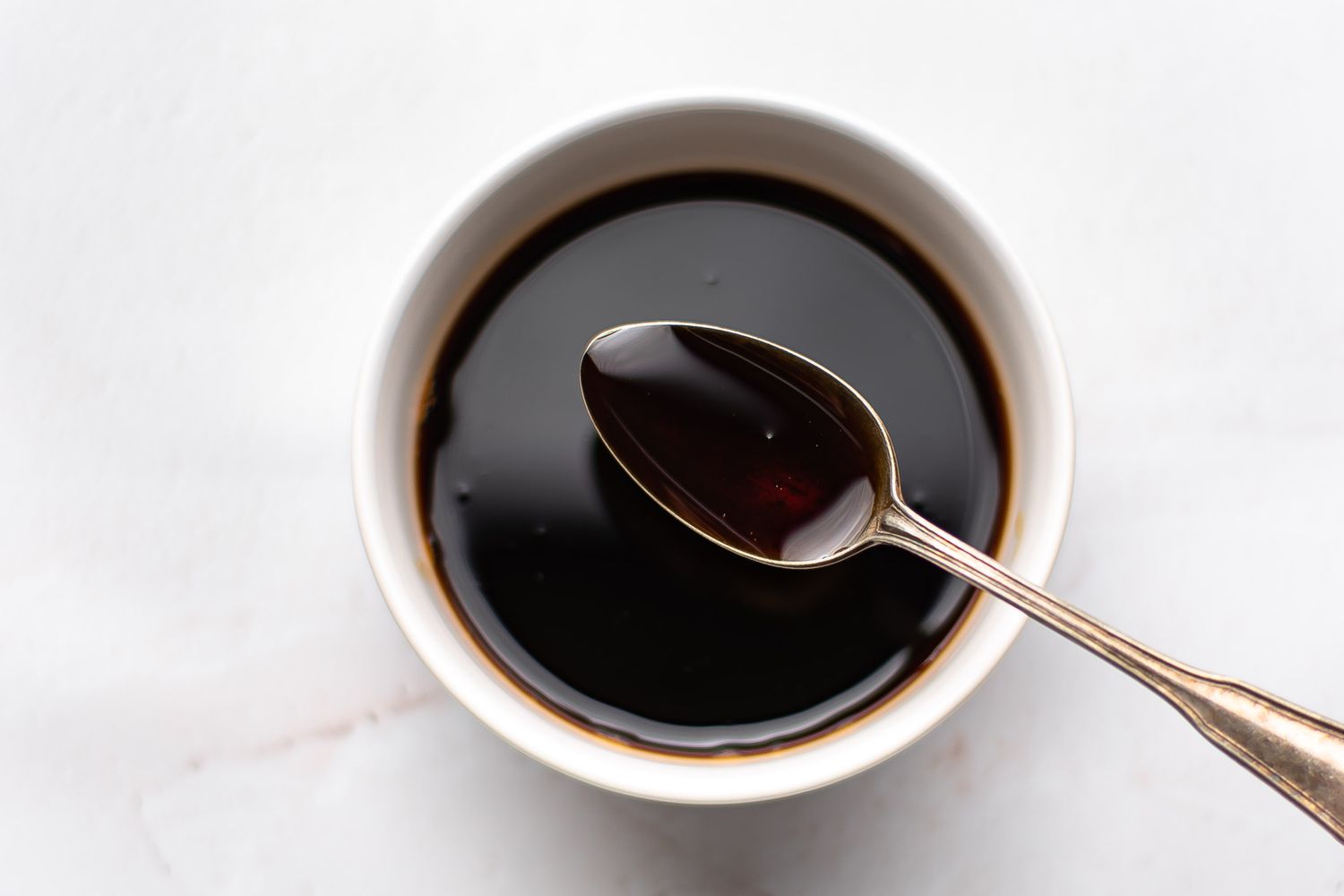
- Source of umami: Soy sauce is known for its umami flavor, which adds depth and richness to dishes.
- Antioxidant properties: Soy sauce contains antioxidants that help protect the body against free radicals and oxidative stress.
- Boosts flavor: Adding soy sauce to your recipes can enhance the overall taste and make the dish more flavorful.
- Rich in essential amino acids: Soy sauce is a good source of essential amino acids, which are the building blocks of proteins in the body.
- May improve digestion: The fermentation process involved in making soy sauce can promote the growth of beneficial gut bacteria and improve digestion.
| Type | Appearance | Taste |
|---|---|---|
| Light soy sauce | Thin, light-brown | Salty, savory |
| Dark soy sauce | Thick, dark-brown | Slightly sweet, less salty |
| Tamari sauce | Similar to light soy sauce | Similar to light soy sauce, often gluten-free |
In conclusion, soy sauce is a versatile condiment that adds flavor and depth to various dishes. Whether you’re using light soy sauce, dark soy sauce, or tamari sauce, each type brings its own unique taste and characteristics to your recipes.


