
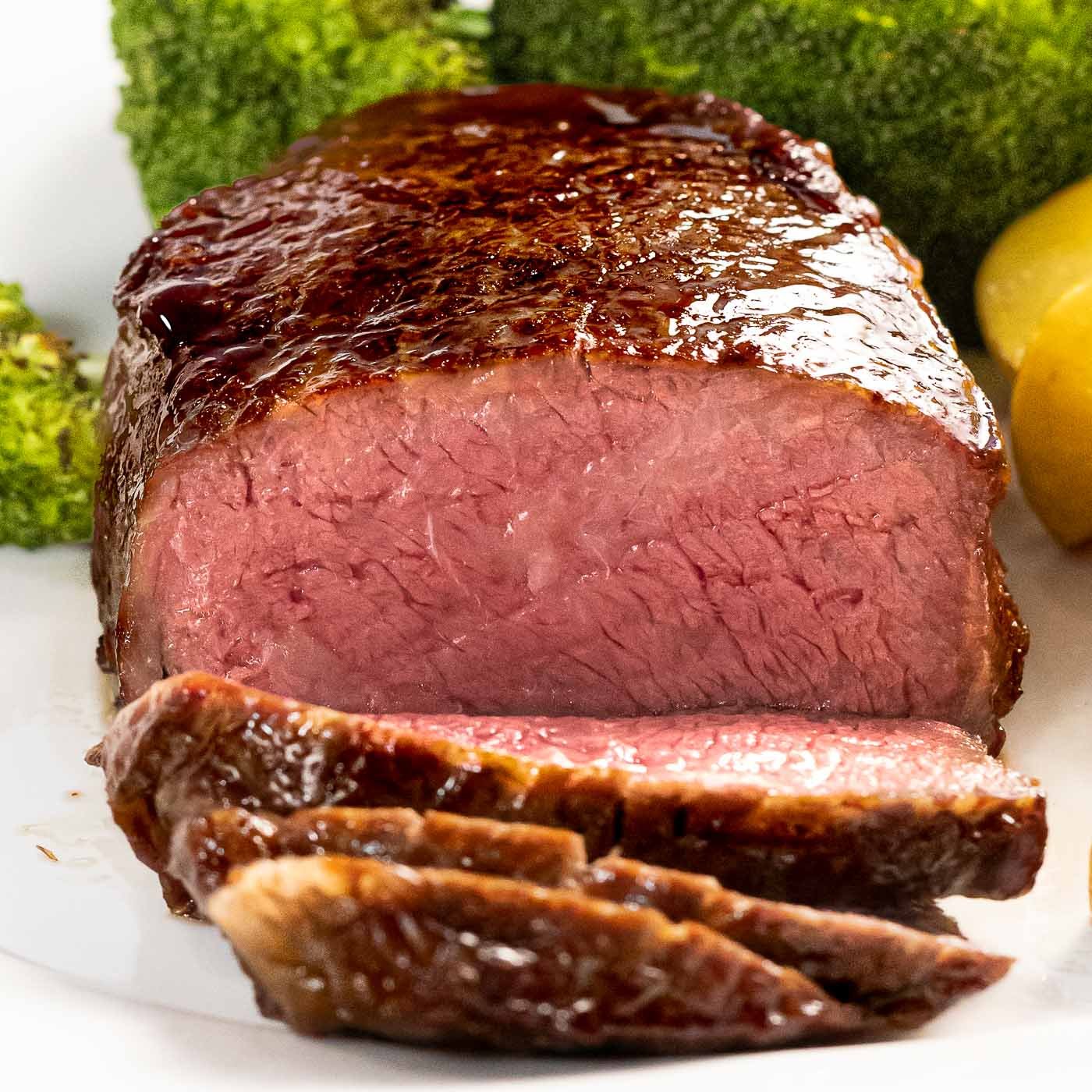
Grilling a thick steak can be a challenge, especially if you want to achieve the perfect sear on the outside while keeping the inside tender and juicy. One cooking technique that has gained popularity for achieving a perfectly cooked thick steak is the reverse sear method.
The reverse sear method involves cooking the steak slowly and evenly at a low temperature first, and then finishing it with a high-temperature sear for a crispy crust. This method helps to ensure that the steak is cooked to the desired level of doneness without overcooking the outside. It also allows the meat to rest and reabsorb its juices, resulting in a more flavorful and tender steak.
Ingredients
The “Grilling Thick Steaks – The Reverse Sear” recipe requires the following ingredients:
- 2 thick steaks (such as ribeye, porterhouse, or T-bone)
- Kosher salt
- Coarsely ground black pepper
- Grapeseed oil or other high smoke point oil
To achieve the best results, it is essential to use high-quality thick steaks for this recipe. Choose cuts like ribeye, porterhouse, or T-bone, which have plenty of marbling and flavor. The thickness of the steaks is crucial, as it allows for the reverse sear cooking method to work effectively.
Kosher salt and coarsely ground black pepper are the primary seasonings for the steaks. The course texture of kosher salt helps to form a flavorful crust on the exterior of the meat, while the black pepper adds a hint of spice. Additionally, grapeseed oil or another high smoke point oil is used to coat the steaks before grilling. This oil helps to ensure even cooking and prevents sticking to the grill.
Grilling Thick Steaks – The Reverse Sear
Grilling thick steaks can be a challenge, as you want to achieve a perfect medium-rare or medium doneness without charring the outside too much. The reverse sear method is a great technique to achieve this, as it involves cooking the steak low and slow in the oven or on a smoker before finishing it off with a high-heat sear on the grill.
To start, preheat your oven or smoker to a low temperature, around 225°F (107°C). Season your steak generously with salt and pepper, or your choice of seasoning. Place the steak on a wire rack over a baking sheet, making sure there is enough space for air to circulate around the steak. Insert a meat thermometer into the thickest part of the steak, being careful not to touch bone if the steak has one.
- Place the steak in the oven or smoker and cook until the internal temperature reaches around 10-15 degrees below your desired doneness. Keep in mind that the steak will continue to cook while resting, so it’s best to slightly undercook it at this stage.
- Once the steak reaches the desired internal temperature, remove it from the oven or smoker and let it rest for 10-15 minutes. This allows the juices to redistribute and the temperature to even out.
- While the steak is resting, preheat your grill to high heat, around 500-550°F (260-287°C).
- Once the grill is preheated, place the steak directly over the flames and sear for 1-2 minutes per side, or until a crusty exterior develops.
- Remove the steak from the grill and let it rest for a few minutes before slicing. This allows the juices to reabsorb into the meat, resulting in a juicy and tender steak.
The reverse sear method ensures that the steak is evenly cooked from edge to edge, with a perfectly browned crust on the outside. It’s a great technique to use when grilling thick steaks, as it allows for more control over the cooking process and helps prevent overcooking or undercooking. Give it a try next time you’re grilling a thick steak for a delicious and perfectly cooked result.
Professional Tips for Grilling Thick Steaks – The Reverse Sear
Grilling thick steaks, especially using the reverse sear method, requires some expert knowledge and techniques to ensure a perfect result. Here are some professional tips from experienced chefs:
- Choose the right cut: Opt for thick, bone-in steaks like ribeye or T-bone, as these cuts are ideal for the reverse sear method. The thickness allows for a more even cooking, while the bone adds flavor and helps retain moisture.
- Pre-season and rest: Season the steaks generously with salt and any desired spices, then let them rest at room temperature for about 30 minutes. This allows the seasoning to penetrate the meat and ensures more even cooking.
- Set up a two-zone indirect fire: Create two heat zones on your grill by placing the charcoal or burners on one side only. This setup allows for a slower and gentler cooking process, which is crucial for thick steaks. Aim for a temperature of around 250°F (120°C) on the indirect heat side.
- The reverse sear: Start by placing the steaks on the indirect heat side and close the lid. Cook the steaks until they reach an internal temperature of around 10°F (5°C) below your desired doneness. Use a meat thermometer to monitor the temperature. This process can take anywhere from 30 minutes to an hour, depending on the thickness of the steaks.
- Final sear: Once the steaks have reached the desired internal temperature, transfer them to the direct heat side of the grill. Sear the steaks for about 1-2 minutes per side, or until a beautiful crust develops. Be careful not to overcook the steaks during the searing process.
- Rest and enjoy: Remove the steaks from the grill and let them rest for about 5-10 minutes before slicing. This allows the juices to redistribute throughout the meat and ensures a tender and flavorful result. Serve the steaks with your favorite side dishes and enjoy!
Following these professional tips will help you achieve perfectly grilled thick steaks using the reverse sear method. Experiment with different cuts and seasoning to find your favorite combination, and soon you’ll be grilling like a pro!
Reviews
I recently tried the recipe for “Grilling Thick Steaks – The Reverse Sear” and I am absolutely thrilled with the results! As a self-proclaimed steak lover, I’ve tried many different cooking techniques, but the reverse sear method takes the cake.
First of all, the instructions provided were easy to follow and straightforward. I appreciated that the recipe broke down the process step by step, making it accessible to both experienced and novice home cooks.
One of the things I loved about this method is how it allowed me to achieve the perfect level of doneness throughout the steak. By cooking the steak slowly at a low temperature in the oven first, the meat became incredibly tender and evenly cooked. This meant no more overcooked exteriors and rare centers!
After the initial slow cooking, I transferred the steak onto a hot grill to give it a beautiful sear. This step added a delightful char and a flavorful crust to the meat, creating a perfect balance of textures.
The end result was a thick, juicy steak that was cooked to perfection. The reverse sear method ensured that the steak was perfectly cooked from edge to edge, with a delectable seared exterior.
I also appreciated that the recipe provided tips for seasoning and resting the steak properly. These small details made a significant difference in the overall taste and tenderness of the meat.
I highly recommend trying the “Grilling Thick Steaks – The Reverse Sear” recipe if you want to elevate your steak game. It’s a foolproof method that guarantees juicy, flavorful steaks every time. Whether you’re a seasoned griller or someone trying their hand at steak for the first time, this recipe is a winner!
I recently tried the Reverse Sear method for grilling thick steaks and I was blown away by the results. As a female chef, I love experimenting with different cooking techniques, and this one definitely exceeded my expectations.
The Reverse Sear method involves cooking the steaks low and slow in the oven first, and then finishing them off on the grill to achieve the perfect sear. This technique ensures that the steaks are cooked evenly and remain juicy and tender on the inside.
I followed the recipe for Grilling Thick Steaks – The Reverse Sear, and it was incredibly easy to follow. The step-by-step instructions were clear and precise, making it foolproof even for someone with limited grilling experience.
The key to this method is patience. By cooking the steaks in the oven at a low temperature, they gradually heat up and retain their natural juices. Then, by searing them on a hot grill, you get those beautiful grill marks and a delicious charred flavor.
I was amazed at how perfectly cooked the steaks were. They had a beautiful pink center with a nice crust on the outside. The meat was incredibly tender and flavorful. It was like biting into a steak from a high-end steakhouse.
Overall, I highly recommend trying the Reverse Sear method for grilling thick steaks. It takes a bit more time and patience, but the results are absolutely worth it. Whether you’re a beginner or an experienced grill master, this recipe will impress everyone at your next barbecue.
I recently tried grilling thick steaks using the reverse sear method, and I must say, it was a game changer! I’ve always struggled to cook thick cuts of meat evenly, with the outside often becoming overcooked before the inside reaches the desired temperature. But the reverse sear method completely solves this problem.
The process involves first cooking the steaks at a low temperature, either in the oven or on a grill, until they reach about 10-15 degrees below the desired final temperature. This slow and steady cooking allows the meat to cook evenly from edge to center, resulting in a perfectly cooked steak with a beautiful pink center. It also helps to render the fat and create a delicious crust on the outside.
After the initial low and slow cooking, it’s time for the sear. I like to finish the steaks directly on a hot grill grates or in a cast-iron skillet over high heat. This gives the steak a nice char and adds a wonderful smoky flavor. The contrast between the seared crust and the tender, juicy interior is truly amazing.
I was blown away by the results I achieved using the reverse sear method. The steaks were incredibly tender and flavorful, with a perfect medium-rare center. The process does take a bit longer than traditional grilling, but the end result is well worth the extra time and effort.
I highly recommend giving the reverse sear method a try, especially if you enjoy cooking thick cuts of meat like ribeye or T-bone steaks. It’s a foolproof way to achieve restaurant-quality results in the comfort of your own backyard. Trust me, once you try it, you’ll never go back to your old grilling methods!
I recently tried the “Grilling Thick Steaks – The Reverse Sear” recipe and I must say, it exceeded all my expectations. The technique of reverse searing the steak resulted in a perfectly cooked piece of meat that was juicy, tender, and full of flavor.
The first step of cooking the steak in a low-temperature oven allowed it to evenly cook through and reach the desired internal temperature without drying out. This ensured that every bite was succulent and moist, with a melt-in-your-mouth texture.
After the initial slow cooking, I transferred the steak to a hot grill to achieve a nice sear on the outside. This not only added a delicious caramelized crust, but it also enhanced the overall presentation of the dish.
One thing that stood out to me was the excellent instruction provided in the recipe. It was easy to follow and gave me the confidence to cook the steak to perfection. Additionally, the tips and tricks included helped me understand the principles behind the reverse sear method, allowing me to apply them to future grilling endeavors.
Furthermore, the recipe emphasized the importance of using a high-quality, thick-cut steak. This made a noticeable difference in the final result, as the meat was able to retain its juiciness and tenderness throughout the cooking process.
In conclusion, I highly recommend trying the “Grilling Thick Steaks – The Reverse Sear” recipe. It will elevate your grilling game and impress your guests with a mouthwatering steak that is cooked to perfection. Don’t hesitate to give it a try!
I recently tried the “Grilling Thick Steaks – The Reverse Sear” recipe and I must say it was a game changer! As someone who loves grilling, I was intrigued by this cooking technique and decided to give it a try.
The step-by-step instructions provided in the recipe were easy to follow, and the results were nothing short of amazing. The reverse sear method allowed me to achieve a perfectly cooked steak with a beautiful crust on the outside and a tender, juicy center.
By starting with low indirect heat to slowly cook the steak, I was able to ensure uniform doneness throughout. This method is perfect for thick steaks, as it prevents overcooking while still achieving that desired medium-rare or medium doneness.
One of the things I appreciated most about this recipe was the use of a meat thermometer. It helped me monitor the internal temperature of the steak and ensured that I didn’t overcook it. The end result was a steak that was cooked to perfection.
The reverse sear method also allowed me to add a wonderful smoky flavor to the steak by finishing it off with a high-heat sear. This created a caramelized crust that was simply delicious.
I highly recommend trying the “Grilling Thick Steaks – The Reverse Sear” recipe if you want to take your grilling skills to the next level. The end result is a steak that is perfectly cooked, juicy, and flavorful. It’s a great way to impress your family and friends at your next barbecue!


