
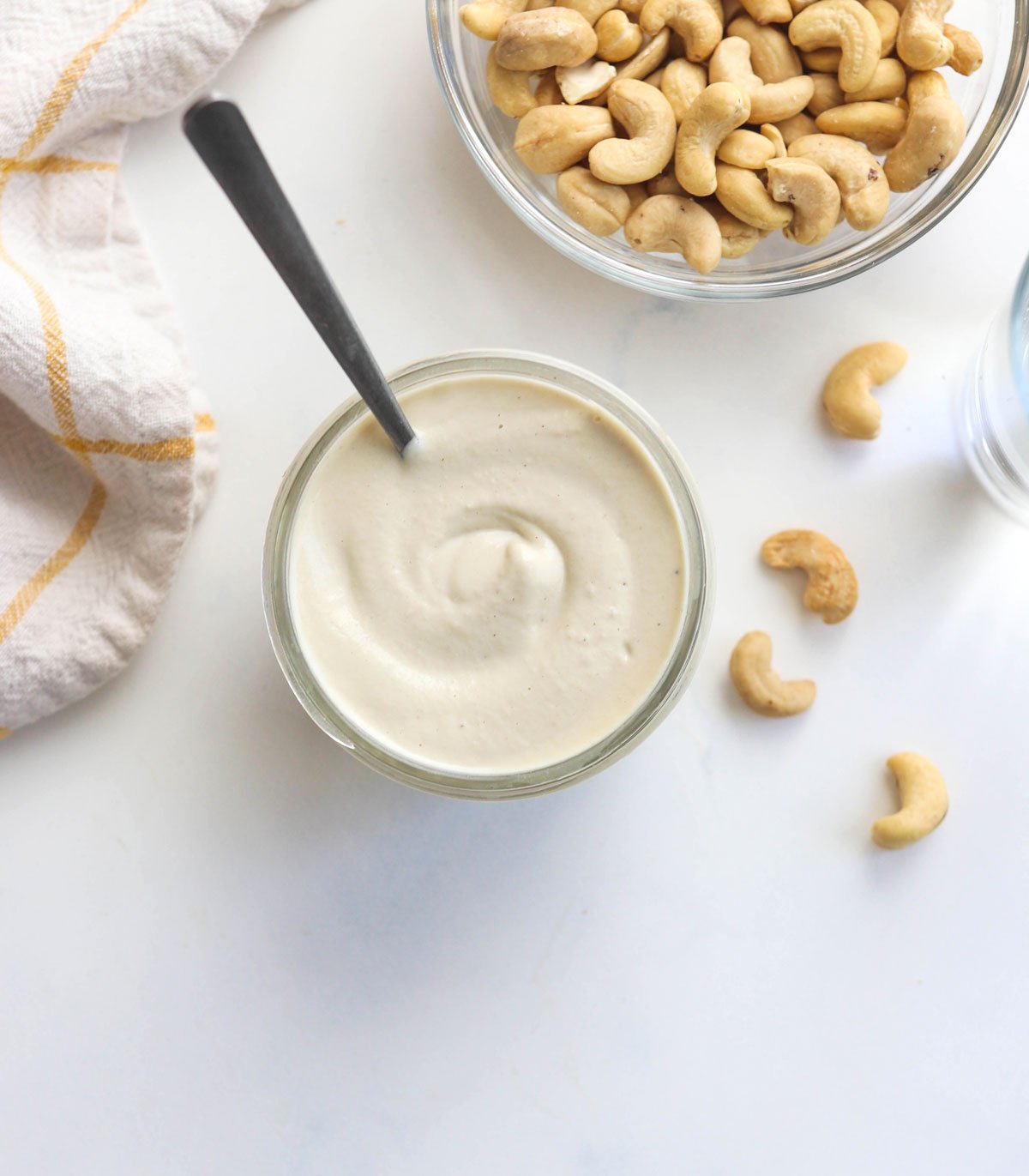
If you’re looking for a dairy-free alternative to cream that is easy to make at home, consider trying cashew cream. This creamy and versatile ingredient can be used in a variety of recipes, from savory dishes to sweet treats. With just a few simple steps, you can whip up this delicious cashew cream in no time.
To make cashew cream, you will need the following ingredients:
- 1 cup of raw cashews
- 1/2 cup of water
- 1 tablespoon of lemon juice
- 1/2 teaspoon of salt
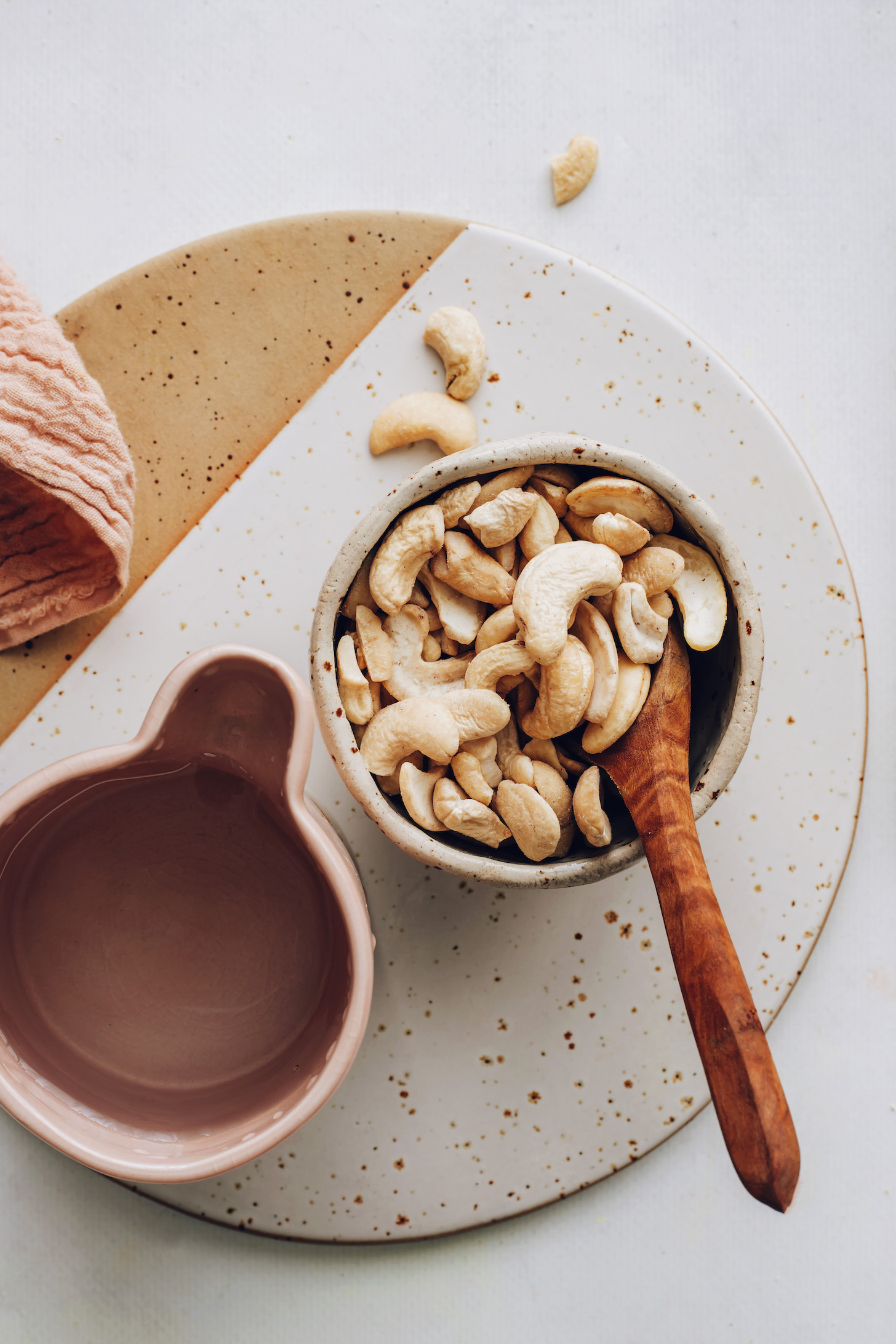
Start by soaking the cashews in water for at least 4 hours or overnight. Once the cashews are soft, drain and rinse them thoroughly. This step is important to ensure a smooth and creamy texture for the cashew cream.
Note: Make sure to use raw cashews for this recipe, as roasted or salted cashews will alter the flavor of the cream.
Next, place the soaked cashews in a blender or food processor along with the water, lemon juice, and salt. Blend on high speed until the mixture becomes smooth and creamy. You may need to stop and scrape down the sides of the blender or food processor to ensure all the cashews are fully blended.
Tips: If you prefer a thinner consistency, you can add more water, a tablespoon at a time, until you reach your desired thickness. Alternatively, if you want a thicker cream, reduce the amount of water accordingly.
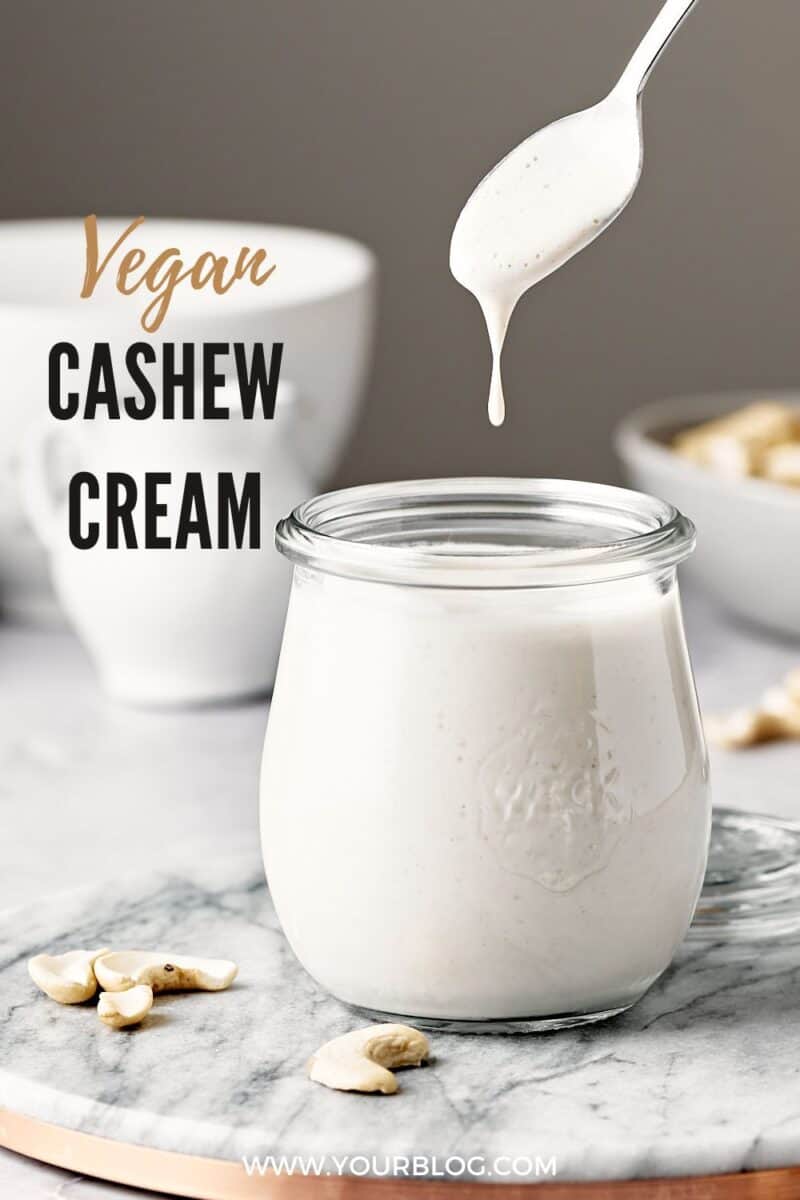
Once the cashew cream is smooth and creamy, transfer it to a jar or airtight container and refrigerate for at least an hour to allow it to thicken. The cashew cream will continue to thicken as it chills, so if you prefer a thicker consistency, you can refrigerate it for longer.
Now that you have your homemade cashew cream, you can use it in various ways. It makes a delicious dairy-free substitute for heavy cream in soups, sauces, and dressings. You can also use it as a base for vegan desserts like cheesecakes or ice creams.
| Uses for Cashew Cream: |
|---|
| Soups |
| Sauces |
| Dressings |
| Vegan Desserts |
So why not give homemade cashew cream a try? It’s a simple and delicious way to add creaminess to your favorite recipes without the dairy.
Versatile Dairy-Free Option
Cashew Cream can be used in both sweet and savory recipes, making it a versatile ingredient in the kitchen. It adds a creamy texture and a subtle nutty flavor to dishes. You can use it as a base for soups, sauces, and dressings, or as a topping for desserts and smoothies. It can be used to replace cream in recipes for pasta, risotto, and mashed potatoes. The possibilities are endless!
- It is easy to make Cashew Cream at home. All you need is raw cashews, water, and a blender. Soak the cashews in water overnight or for at least four hours, then drain and rinse them. Blend the cashews with fresh water until smooth and creamy. You can adjust the consistency by adding more or less water, depending on your preference.
- Cashews are a good source of healthy fats, protein, and minerals. They are rich in antioxidants and can help promote heart health. Cashew Cream is lower in saturated fat compared to dairy cream, making it a healthier choice. It is also cholesterol-free and lactose-free, making it suitable for individuals with dietary restrictions.
Did you know?
Cashew Cream can be used as a dairy-free alternative in recipes for baking, such as cookies and cakes. It can replace butter or oil, adding moisture and richness to baked goods. So go ahead and experiment with Cashew Cream in your favorite recipes!
Next time you are in need of a versatile dairy-free option, give Cashew Cream a try. It is easy to make, nutritious, and adds a delicious creaminess to your dishes. Whether you are making savory or sweet recipes, Cashew Cream is a great alternative that will not disappoint.
Simple and Affordable Ingredients
One of the best ways to keep your kitchen well-stocked with simple ingredients is by focusing on pantry staples. These are items that have a long shelf life and can be used in a variety of recipes. Some examples include canned beans, pasta, rice, spices, and condiments. By having these basics in your pantry, you’ll always have a foundation for quick and affordable meals.
- Canned beans: Versatile and packed with protein, canned beans are a great addition to soups, stews, salads, and more.
- Pasta: Whether it’s spaghetti, penne, or macaroni, pasta is a versatile ingredient that can be transformed into a variety of delicious dishes.
- Rice: A staple in many cuisines around the world, rice is a filling and economical ingredient that pairs well with a wide range of flavors.
- Spices: Adding spices to your meals can elevate their taste and make them more flavorful. Keep a variety of spices on hand, such as salt, pepper, garlic powder, and paprika.
- Condiments: Mustard, ketchup, mayonnaise, and soy sauce are just a few examples of condiments that can add depth and flavor to your dishes.
By using these simple and affordable ingredients, you can create tasty and satisfying meals without breaking the bank. Experiment with different combinations and flavors to find your favorite recipes. Remember, cooking doesn’t have to be complicated or expensive – with a few basic ingredients, you can make delicious dishes right in your own kitchen.
Health Benefits of Cashews
- Heart Health: Cashews contain monounsaturated fats, which are considered “good” fats that can help lower the risk of heart disease. They also have a lower fat content compared to other nuts and are a good source of phytosterols, which can reduce cholesterol levels.
- Weight Management: Despite being high in calories, cashews can actually support weight management. The monounsaturated fats in cashews can help keep you feeling full and satisfied, reducing the tendency to overeat. Additionally, the fiber content of cashews aids in digestion and promotes a healthy metabolism.
- Bone Health: Cashews are a good source of essential minerals like calcium, magnesium, and phosphorus, which are all important for maintaining strong and healthy bones. These minerals contribute to bone density and can help prevent conditions like osteoporosis.
In addition to these benefits, cashews are also rich in antioxidants, vitamins, and minerals that support overall immune function and provide protection against harmful free radicals. These nuts are versatile and can be enjoyed in a variety of dishes, from salads to desserts. However, it’s important to consume them in moderation, as they are calorie-dense. Incorporating cashews into a well-balanced diet can provide a range of health benefits and enhance your culinary experience.
Delicious Recipes to Use Cashew Cream
-
Creamy Pasta Sauce: Cashew cream can be used as a base for a velvety pasta sauce. Simply blend soaked cashews with garlic, nutritional yeast, and vegetable broth until smooth. Heat the mixture in a saucepan, and toss with cooked pasta for a creamy and flavorful dish.
-
Vegan Cheesecake: Cashew cream is an excellent substitute for cream cheese in vegan cheesecake recipes. Blend soaked cashews with lemon juice, maple syrup, and vanilla extract until creamy and smooth. Pour the mixture over a nut-based crust and refrigerate until set. Top with fresh fruits or a drizzle of chocolate for an indulgent dessert.
-
Spinach and Artichoke Dip: Cashew cream adds a creamy and rich texture to a classic spinach and artichoke dip. Blend soaked cashews with garlic, nutritional yeast, lemon juice, and a pinch of salt. Mix in cooked spinach and chopped artichoke hearts, and bake until bubbly and golden. Serve with crispy bread or tortilla chips for a crowd-pleasing appetizer.
These recipes are just a starting point for incorporating cashew cream into your cooking. With its smooth texture and mild flavor, cashew cream can be a versatile ingredient in both savory and sweet dishes. Experiment with different herbs, spices, and flavorings to create your own delicious recipes using cashew cream.


